

Vacuum Circuit Breaker Company: Revolutionizing Electrical Safety and Reliability
2026-01-02
In the ever-evolving landscape of electrical engineering, one company stands out for its commitment to safety and reliability: Lugao. Their innovative vacuum circuit breakers are not just components; they are a revolution in protecting power systems from failures. Have you ever wondered how modern infrastructure ensures uninterrupted electricity? Dive into this blog to explore how Lugao's cutting-edge technology sets new standards, making electrical networks safer and more dependable than ever before.
Pioneering Vacuum Technology for Electrical Interruption
Vacuum technology has revolutionized the way we handle electrical interruption, offering a cleaner, more efficient alternative to traditional methods like air or gas insulation. In these systems, electrical contacts are housed within a sealed vacuum environment, which eliminates the presence of any insulating medium that could degrade or cause arcing. This innovation not only enhances safety by reducing the risk of explosions and fires but also significantly boosts reliability and longevity in high-voltage applications.
One standout advantage is the remarkable speed and precision with which vacuum interrupters operate. When a fault occurs, they can extinguish arcs in mere milliseconds, thanks to the high dielectric strength of vacuum, which allows for rapid recovery and minimal damage to the components. This makes them ideal for critical infrastructures, from power grids to industrial machinery, where downtime must be minimized and performance optimized for seamless operations.
Moreover, the environmental and economic benefits set this technology apart. Vacuum interrupters are compact, require less maintenance due to their sealed design, and operate silently without generating harmful byproducts. As industries push for greener solutions, this pioneering approach not only meets stringent efficiency standards but also paves the way for more sustainable electrical systems in the future.
Engineering Resilient Circuit Breakers for Modern Demands
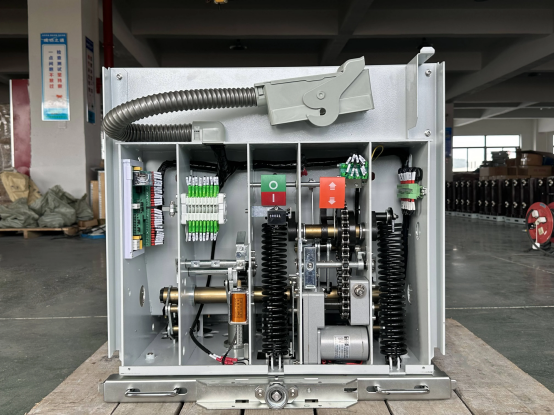
In today's fast-evolving electrical landscape, the demand for circuit breakers has shifted beyond basic overload protection to anticipate and withstand increasingly complex power fluctuations and environmental stressors. Engineers are now driven to rethink traditional designs, integrating advanced materials like graphene-enhanced composites and smart sensors that can self-diagnose potential failures before they escalate. This proactive approach not only enhances safety but also extends the lifespan of electrical systems in everything from data centers to renewable energy grids.
One key innovation lies in the development of adaptive trip units that leverage machine learning algorithms to analyze historical usage patterns and real-time data. By doing so, these circuit breakers can dynamically adjust their response thresholds, preventing nuisance tripping while swiftly isolating faults during critical events. Such resilience is essential as modern infrastructures face unpredictable loads from electric vehicle charging stations and intermittent renewable sources, requiring a balance between precision and durability that older models simply can't achieve.
Looking ahead, the push for sustainability is also shaping breaker engineering, with designs focusing on recyclability and energy efficiency. For instance, modular components allow for easier repairs or upgrades without discarding entire units, reducing electronic waste. This holistic view—combining technological prowess with environmental consciousness—ensures that resilient circuit breakers aren't just meeting current demands but are poised to adapt to future challenges, fostering a safer, more reliable power ecosystem worldwide.
Advocating Proactive Electrical Safety Protocols
Instead of waiting for a shocking incident to jolt us into action, it's smarter to champion proactive electrical safety measures from the start. Think of it like a regular health check-up for your home or workplace—identifying potential hazards before they escalate into emergencies. By making these protocols a consistent part of our routine, we not only protect people and property but also foster a culture of vigilance that can prevent costly disruptions.
What makes a truly effective approach stand out is its focus on tailored, hands-on strategies rather than generic guidelines. For instance, in industrial settings, this might involve custom training sessions that simulate real-world scenarios, empowering employees to recognize risks like overloaded circuits or faulty wiring without hesitation. In residential areas, it could mean encouraging homeowners to schedule seasonal inspections with certified professionals, ensuring everything from outdated outlets to weather-exposed installations gets attention before trouble strikes.
Ultimately, advocating for proactive safety isn't just about avoiding disasters; it's about building resilience and peace of mind. When communities and businesses prioritize these forward-thinking habits—such as integrating smart technology for early fault detection or establishing clear emergency response plans—they create environments where safety feels intuitive rather than imposed. This shift from reactive to proactive not only saves lives but also reinforces a shared responsibility that keeps everyone safer in the long run.
Ensuring Uninterrupted Power in Critical Applications
In today's technology-driven world, power interruptions can spell disaster for critical applications like healthcare systems, financial services, and industrial control processes. These sectors rely on continuous uptime to maintain safety, operational integrity, and data security. By implementing robust power management solutions, organizations can mitigate risks associated with outages, ensuring that essential functions remain active even during unexpected disruptions. This proactive approach not only safeguards valuable assets but also enhances overall resilience against unforeseen events.
Advanced technologies such as uninterruptible power supplies (UPS), backup generators, and smart grid systems play a pivotal role in this context. A well-designed power infrastructure integrates redundancy and monitoring tools to provide seamless transitions between power sources. For instance, in a hospital setting, where life-saving equipment must operate without fail, having multiple layers of power backup can mean the difference between life and death. Tailoring these systems to specific application needs ensures that downtime is minimized, and performance remains consistent under all conditions.
Beyond hardware, effective planning and maintenance are crucial for sustaining uninterrupted power. Regular audits, employee training, and contingency protocols help identify vulnerabilities before they escalate into crises. By fostering a culture of preparedness, businesses can adapt to evolving power demands and regulatory standards, ultimately delivering reliable services that customers trust. This holistic strategy not only protects critical applications but also boosts operational efficiency and long-term sustainability in an increasingly interconnected environment.
Tailoring Custom Solutions for Diverse Industrial Needs
In today's fast-paced industrial landscape, one-size-fits-all approaches often fall short. At our core, we thrive on diving deep into the unique challenges each sector faces—from manufacturing and logistics to energy and pharmaceuticals. By listening closely to your specific pain points, we craft bespoke strategies that not only address immediate needs but also anticipate future trends, ensuring your operations stay agile and competitive.
Our methodology blends cutting-edge technology with hands-on expertise, allowing us to develop solutions that seamlessly integrate with your existing workflows. Whether it's automating complex processes, optimizing supply chains, or enhancing safety protocols, we tailor every aspect to fit your operational environment and business goals, resulting in tangible improvements that boost efficiency and reduce costs.
What sets us apart is our commitment to ongoing collaboration and adaptability. We don't just deliver a product and walk away; instead, we partner with you to refine and scale solutions as your industry evolves. This proactive approach ensures that our custom offerings remain relevant and effective, fostering long-term success in an ever-changing market.
Championing Sustainable and Efficient Electrical Systems
In a world increasingly conscious of energy consumption and environmental impact, pushing for sustainable and efficient electrical systems has become a top priority. This involves integrating renewable energy sources like solar and wind power into existing grids, which not only reduces carbon emissions but also promotes long-term energy independence. By championing these systems, we can drive innovation in smart technologies that optimize energy use, minimize waste, and support a greener future for communities and industries alike.
Moreover, adopting advanced electrical systems goes beyond environmental benefits—it directly enhances operational efficiency and cost savings for organizations. Implementing energy-efficient lighting, HVAC controls, and power management solutions allows businesses to lower utility bills while maintaining high-performance standards. This proactive approach to electrical sustainability ensures that infrastructure remains robust and resilient, capable of adapting to evolving demands without compromising on reliability or safety.
Beyond technical advancements, championing sustainable electrical systems fosters a culture of responsibility and innovation. It encourages collaboration among engineers, policymakers, and consumers to develop tailored solutions that meet diverse needs, from urban smart cities to remote off-grid installations. By prioritizing efficiency and sustainability, we not only future-proof our energy networks but also inspire a global shift towards cleaner, smarter power systems that benefit both people and the planet.
FAQ
The Vacuum Circuit Breaker Company is renowned for pioneering advanced vacuum circuit breaker technology that enhances electrical safety and reliability by minimizing arc faults and reducing maintenance needs.
Our products utilize vacuum interruption technology, which is more efficient and durable than air or oil-based breakers, leading to longer lifespans and improved performance in harsh environments.
Key benefits include superior arc quenching capabilities, enhanced operational safety, lower environmental impact due to no oil usage, and compliance with international standards for reliability.
Yes, we offer tailored solutions for various industries, from power grids to manufacturing, ensuring optimal performance and integration with existing electrical systems.
By using eco-friendly vacuum technology, our products reduce hazardous waste and energy loss, supporting greener and more sustainable electrical infrastructure worldwide.
Recent innovations include smart monitoring features for predictive maintenance, IoT integration for real-time diagnostics, and compact designs that save space while boosting efficiency.
Customers choose us for our proven track record in safety, industry-leading R&D that drives continuous improvement, and dedicated support teams that ensure seamless implementation and long-term reliability.
Conclusion
The Vacuum Circuit Breaker Company is at the forefront of revolutionizing electrical safety and reliability by pioneering advanced vacuum technology for electrical interruption. This innovation allows for efficient and effective circuit breaking, reducing the risk of electrical faults and enhancing overall system safety. By engineering resilient circuit breakers designed to meet modern demands, the company ensures that its products can withstand the rigorous requirements of today's electrical infrastructures, thereby promoting proactive electrical safety protocols that help prevent accidents and downtime.
In critical applications where uninterrupted power is essential, the company's solutions play a vital role in maintaining consistent electrical supply, thereby safeguarding operations in sensitive environments. By tailoring custom solutions to address diverse industrial needs, the Vacuum Circuit Breaker Company demonstrates its commitment to versatility and client-specific requirements. This approach not only enhances reliability but also champions sustainable and efficient electrical systems, contributing to a greener and more resilient energy landscape that stands out in the industry.
Contact Us
Contact Person: Doreen
Email: [email protected]
Tel/WhatsApp: 8618057712366
Website: https://www.liugaopower.com/