

Twin Screw Extruder Supplier: Essential Factors for Reliable Partnership
2026-08-07
Choosing a twin screw extruder supplier isn’t just about equipment specs—it’s about building a partnership that drives consistent production and innovation. Too many processors learn this the hard way, stuck with underperforming machinery or unresponsive support. So, what separates a transactional vendor from a truly reliable partner? In this article, we’ll explore the essential factors that make all the difference, drawing on insights from MINGDE and other industry leaders who understand that your success depends on more than just a machine.
Decoding the Real Cost of Twin Screw Extruder Ownership
When companies hunt for twin screw extruders, the machine's sticker price often steals all the attention. But anyone who's run these systems for years knows that the number on the quote is just a fraction of the story. The true financial picture doesn't emerge until you factor in what happens after installation—energy appetite, the frequency of screw and barrel swaps, and how much downtime you can actually tolerate in a live production environment.
Maintenance sneaks up quietly but hits the budget hard. A 'bargain' extruder can burn through spare parts at a rate that erases any upfront savings within 18 months. Wear components, especially screws and liners, are non-negotiable line items that demand high-grade metallurgy—if you cut corners here, you’ll be replacing them twice as often. And then there’s energy consumption: older or lower-quality drives might seem fine on the spec sheet, but they hemorrhage cash day after day in a 24/7 operation. A machine with a slightly higher initial cost but superior process stability often pays for itself just by keeping power bills in check and avoiding melted batches that end up as scrap.
The biggest hidden cost, though, is lost opportunity. When a line goes down for unscheduled maintenance, the real damage isn't the repair bill—it's the production you didn't run and the orders that may slip. A robust twin screw extruder backed by responsive support and minimalist tooling changeovers lets you pivot faster between runs and maintain consistent quality. That agility, over the 10- or 15-year life of the equipment, overshadows the purchase price entirely. Smart owners look beyond the capital expenditure and calculate the cost per kilogram of good product over a decade. That's the figure that tells you if you've actually bought an asset or a liability.
Customization That Aligns with Your Material Goals
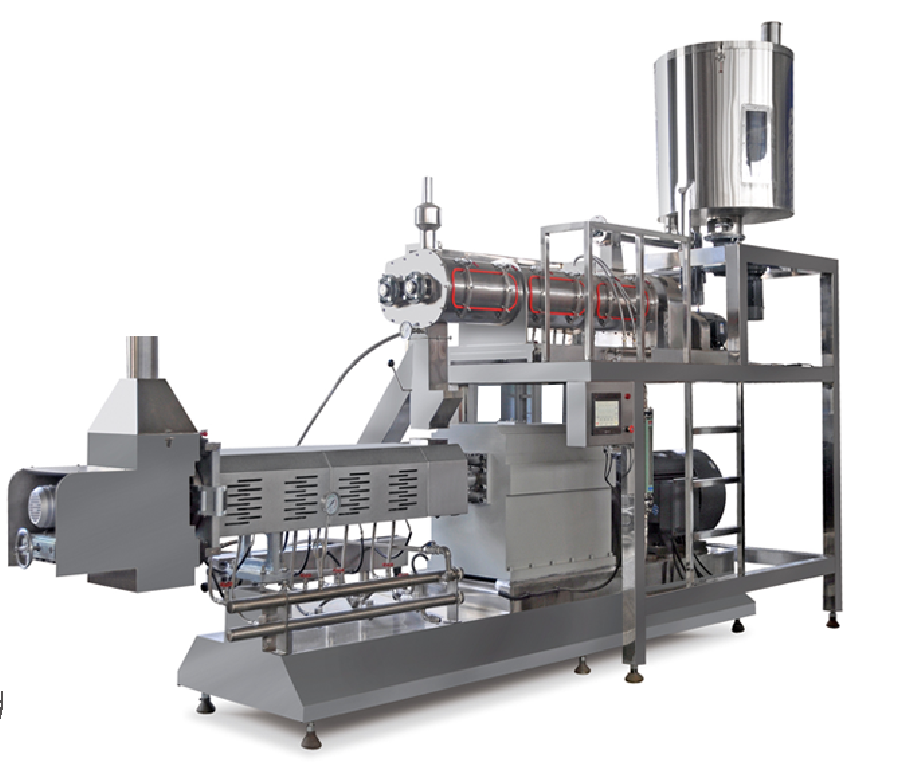
We begin by identifying the precise performance benchmarks your application demands—whether it's thermal stability in extreme environments, lightweighting without sacrificing structural integrity, or wear resistance that outlasts standard grades. This isn't a catalog-driven process; it's a deliberately tailored approach where formulation and processing parameters are tuned to your unique operating conditions. The result is a material that feels less like a compromise and more like a purpose-built answer to your engineering challenges.
Our collaborative development cycle integrates your team's insights at every stage, from initial concept through scaled production. By treating your material goals as the true north, we sidestep the one-size-fits-all mindset and deliver solutions that seamlessly mesh with your manufacturing workflow, budget constraints, and long-term product roadmap. It's customization that doesn't just tick boxes—it removes them entirely.
The Engineering Expertise Behind Consistent Output
There’s a quiet rigor that underpins every reliable system—an insistence on getting the fundamentals right. It’s not about flashy algorithms or trendy frameworks; it’s about understanding tolerance stacks in physical assemblies, or how a microservice degrades when a dependency wavers. The engineers who chase consistency spend as much time deleting complexity as they do writing code, because true stability comes from what you leave out, not just what you build in. They treat variability not as an annoyance, but as a signal that something fundamental wants attention.
This mindset manifests in designs that are almost boring in their predictability. A chemical process might run across dozens of batches with negligible deviation because someone took the time to map out every heat transfer coefficient and mixing profile, then instrumented it so thoroughly that the process almost runs itself. In software, it shows up as deployment pipelines that haven’t failed unexpectedly in months, because the team invested in exhaustive state-machine validation and graceful rollback paths. The common thread is a deep respect for the conditions that allow a thing to keep working, and a willingness to sit in front of the data until it tells you the truth.
What often gets missed in discussions about repeatability is the human element. The best practitioners develop a sort of mechanical empathy—they know how a system will behave under thermal load or peak traffic, not just from simulations but from having seen it strain and recover. They build guardrails that don’t just prevent errors but teach the next person what matters. That knowledge transfer is embed in the work itself, so that consistency doesn’t depend on a single pair of eyes. It’s this blend of obsessive measurement, thoughtful constraints, and almost craft-like attention to detail that separates something that merely works from something that never lets you down.
After-Sales Support: The Lifeline of Your Production
When a machine goes down, every minute of downtime chips away at your bottom line. That’s where a responsive after-sales team steps in—not just as a troubleshooting hotline, but as a partner that understands the rhythm of your production floor. Real support isn’t a scripted call center; it’s engineers who’ve seen your line, know the quirks of your equipment, and can diagnose issues without wasting time on generic questions.
Beyond emergency fixes, after-sales care weaves itself into the fabric of your operations. It shows up in scheduled health checks that catch wear and tear before it spirals into failure, in firmware updates that keep your machinery aligned with evolving standards, and in the spare parts that arrive not when the courier feels like it, but exactly when you need them. This isn’t about hand-holding—it’s about building a safety net so sturdy that your team can focus on innovation instead of firefighting.
The best support relationships blur the line between supplier and colleague. They involve candid conversations about what’s working and what isn’t, with your feedback shaping future designs. They’re about training sessions that leave your operators genuinely confident, and a service history that tells the full story of your machines—so you can make data-backed decisions instead of guesses. When done right, after-sales support becomes less of a cost centre and more of a competitive edge you didn’t know you had.
Supply Chain Resilience from a Supplier You Can Trust
Every shipment delay chips away at more than your schedule; it erodes the confidence your customers place in your hands. True resilience isn’t about stockpiling safety buffers or chasing the lowest bid—it’s born from partnerships where transparency flows both ways. When a supplier openly shares capacity constraints, raw material lead times, or even their own sub-tier risks, you gain the time needed to adapt before a ripple becomes a wave. That kind of visibility turns a transactional link into a strategic shield.
Beyond visibility, resilience grows from joint contingency planning. A supplier you can trust doesn’t just react to disruptions; they co-invest in alternative logistics, dual-sourcing raw materials, or flexible production lines that pivot with demand shifts. Regular stress-testing of shared scenarios—from port closures to sudden spikes—builds muscle memory across both organizations. This isn’t about rigid contracts but about adaptive collaboration, where both sides commit to keeping the flow steady even when conditions turn rough. The payoff isn’t just minimized downtime—it’s the ability to deliver on promises when competitors are stuck explaining why they can’t.
Building a Partnership for Long-Term Processing Success
A successful processing operation doesn't just happen by chance. It flourishes when two committed parties—client and provider—align their expertise, priorities, and long-term vision. This symbiosis starts with genuine dialogue, not scripted pitches. It means asking the right questions about capacity, technology roadmaps, and flexibility as your needs evolve. A partner worth their salt will probe your pain points without flinching, eager to build a solution that doesn't just fix today’s headache but inoculates against tomorrow’s strain.
Transparency isn't just a buzzword here—it's the scaffold holding the partnership upright. Real collaboration means opening up operating data, sharing performance metrics before they become problems, and iterating together when trends shift. Instead of keeping score, the focus stays on collective problem-solving. When obstacles arise, as they inevitably do, the relationship pivots from finger-pointing to rapid root-cause analysis. This trust-based environment encourages the kind of candid feedback that turns small tweaks into substantial gains in yield, speed, and process stability over the years.
Longevity demands more than firefighting agility though. It calls for a shared investment in growth—whether that's co-developing tailored equipment, jointly funding process research, or cross-training teams so knowledge isn't locked in a single brain. The most resilient processing partnerships treat every production run as a learning loop, capturing insights that lift the next cycle. Over time, this becomes a competitive moat, built not on contracts but on shared wins and the quiet confidence that comes from knowing your partner has your back, not just your business.
FAQ
The real difference often comes down to their engineering support. You want a supplier who can look at your specific material and output goals and suggest screw configurations or process tweaks, not just hand you a catalog.
It’s make-or-break. Even robust extruders need maintenance, and delays kill production. Ask how fast they promise on-site help, if they hold common wear parts locally, and whether their service team actually knows the equipment rather than just reading a manual.
Explain your raw materials and final product requirements, then see if they ask for details like moisture sensitivity, shear limits, or specific additives. A good partner will probe for processing challenges rather than just quote a standard model.
Because that’s where the hidden costs live. A supplier who helps you match metallurgy to your abrasive or corrosive recipe shows they care about your long-term running costs, not just the initial sale. It directly affects uptime and part lifespan.
Ask about recent customer-driven developments or modifications they’ve implemented. Look for evidence they iterate on design based on real-world feedback rather than pushing outdated platforms. Joint development projects are a strong sign of a collaborative mindset.
A trustworthy partner is upfront about lead times, component sourcing, and limitations. If they’re vague about where screws are machined or who handles controls, that’s a red flag. Clear communication from the start often predicts how smoothly technical issues get resolved later.
Look for system integration know-how—feeding, downstream equipment, control system connectivity. A supplier who can coordinate the entire line reduces finger-pointing later and often delivers a more balanced, production-ready setup.
Conclusion
Selecting a twin screw extruder supplier goes far beyond a simple transaction; it’s about forging a partnership that impacts your entire production lifecycle. The real cost of ownership isn’t just the upfront price—it’s hidden in energy consumption, maintenance downtimes, and component longevity. A supplier that prioritizes customization can tailor screw configurations, barrel geometries, and process settings to match your exact material goals, whether you’re compounding heat-sensitive polymers or reinforcing engineering plastics. This alignment minimizes waste, boosts throughput, and turns your extruder into a precision tool rather than a generic machine.
Behind every uniform pellet or smooth sheet lies engineering expertise that fine-tunes torque distribution, temperature profiles, and residence time distribution for consistent output. But even the best machine requires a lifeline: after-sales support that offers rapid remote diagnostics, genuine spare parts, and hands-on training. Equally crucial is supply chain resilience—a supplier with diversified sourcing and buffer stocks can shield you from disruptions that grind production to a halt. Ultimately, the most reliable partnerships evolve over time, with your supplier anticipating needs, suggesting process upgrades, and standing ready as your production scales. Choose a collaborator, not just a vendor, and you’ll secure long-term processing success that adapts with your ambitions.
Contact Us
Contact Person: LILY SUN
Email: [email protected]
Tel/WhatsApp: 0086-13969103791
Website: https://www.snackfoodmachinery.com/