

Top 10 Aluminum Alloy Ventilation Floor Options for Superior Airflow and Durability
2026-11-19
Ventilation flooring often looks fine on a data sheet but fails quietly in the field—warping under heat, restricting airflow, or corroding long before replacement budgets are ready. This guide compares ten aluminum alloy ventilation floor options for superior airflow and durability, skipping vague marketing claims in favor of details that matter in real installations. Among them, Huahong stands out for designs that hold tight tolerances in demanding environments. Read on for practical comparisons that go beyond the usual spec-sheet claims.
How Aluminum Alloy Ventilation Floors Handle Moisture Without Losing Their Edge
Moisture has a way of finding the weakest point in flooring, especially around cutouts and joints. Aluminum alloy ventilation floors take a different route: they don’t fight water by sealing it out entirely. Instead, the open design lets liquid drain or evaporate before it has time to sit against the surface. The alloy itself forms a thin oxide layer that resists corrosion, and factory-applied anodizing or powder coating gives the edges and perforations an extra buffer. That matters because the edges are usually where moisture does the most damage.
What tends to go wrong with ordinary floor panels is not just surface rust but hidden swelling, warping, or loosening around the ventilation openings. Aluminum alloy holds its shape when humidity shifts, so you don’t get panels that cup or bind. The drainage paths stay clear, and the structural ribs remain stiff under foot traffic. Even in washdown areas or places with heavy condensation, the panels keep their slip resistance and load rating without needing constant replacement.
Perforated, Louvered, or Bar Grating: Matching the Pattern to the Room’s Actual Air Demands
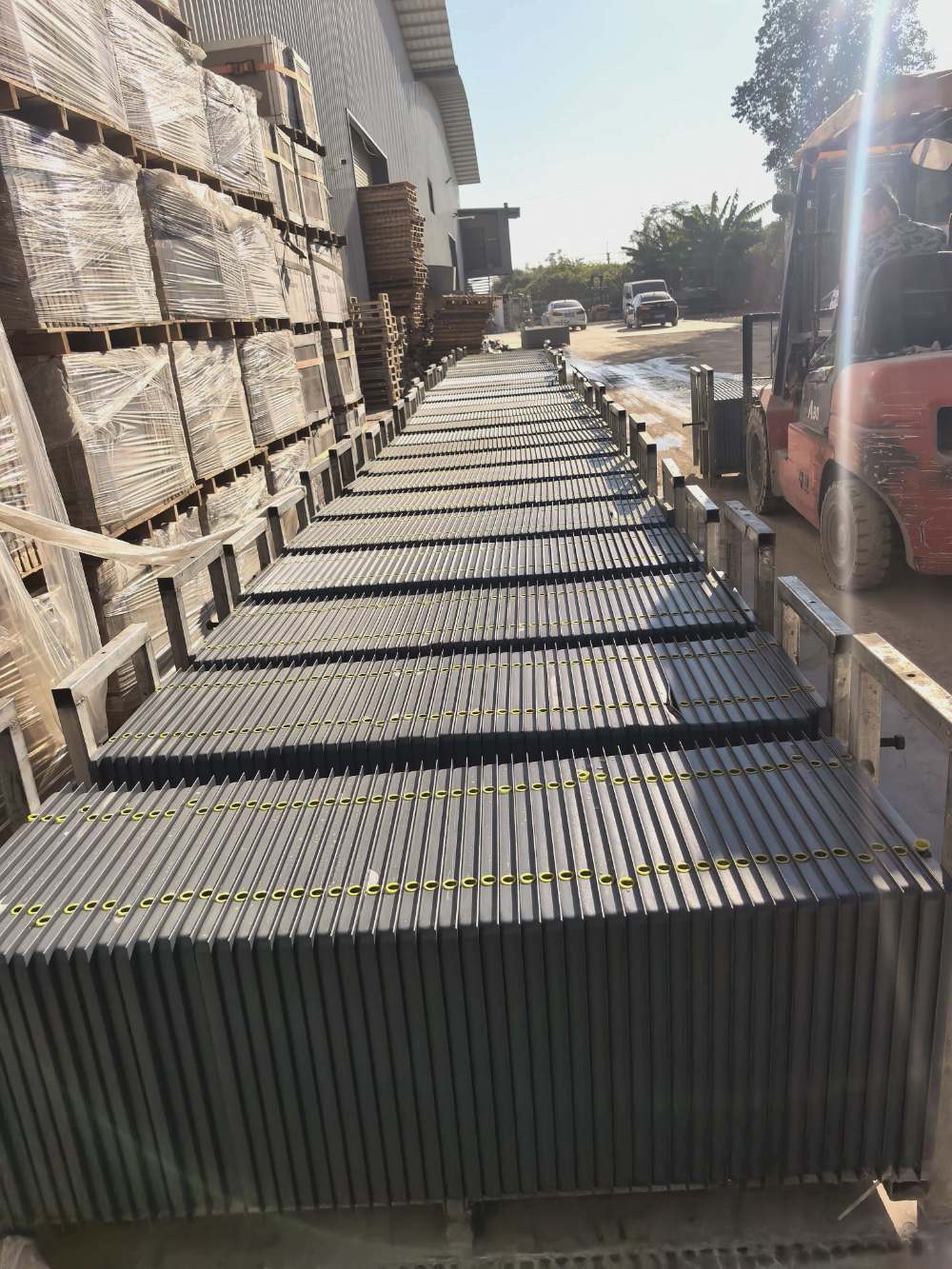
Air distribution rarely cares how a grille looks, but the wrong face pattern can quietly work against the space. Perforated openings spread air more gently and suit close-range comfort, while louvered blades give you directional throw when the register sits near a wall or window. Bar grating moves a lot of air but offers almost no shaping, so it tends to fit return openings or industrial bays where appearance matters less than free area.
Start by matching the pattern to what the room actually asks for, not what the duct layout assumes. A tight office with low ceilings may need the softer diffusion of perforated metal; a high-bay area might call for louvered deflection to push conditioned air down into the occupied zone. If the space has heat loads near the perimeter, choose a blade angle that keeps the supply air from simply hugging the ceiling.
Then check pressure drop and noise before settling on a pattern, because a stylish face can hide an undersized free area. The goal is a register that balances face velocity, throw distance, and sound level against the room’s real loads. When those line up, the grille fades into the background and the room simply feels right.
Alloy Grades That Stay Flat and Corrosion-Free Under Heavy Foot Traffic
Heavy foot traffic does more than scuff a surface; it cycles load through the metal and invites moisture into every seam. For this reason, work-hardened 316L stainless is a reliable choice for thresholds and stair nosings. Its molybdenum content suppresses chloride pitting from de-icing salts, while the hardened temper keeps the sheet from cupping or rippling under repeated heel strikes.
Where weight matters, 6061-T6 aluminum extrusions perform well if the profile includes internal ribs. The T6 aging treatment holds the section straight, and a hard anodized surface resists the damp, salty slush that follows foot traffic into lobbies. Softer aluminum grades like 3003 tend to show shallow dishing after a few seasons, so they are best avoided in floor-level trim.
Architectural bronze and nickel-copper alloys such as C71500 offer another path. They stay flat because of their higher modulus and grow a stable patina instead of shedding rust. The practical rule is to select a heavier gauge than a standard interior threshold and to set fasteners carefully so the strip is not pulled into a visible wave.
Installation Choices That Keep Air Channels Open Instead of Pinching Them Shut
Poorly routed ductwork, overly tight straps, and sharp bends often compress flexible ducts without anyone noticing until airflow suffers. A better approach starts with choosing suspension points that allow the duct to follow its natural arc. When hangers are spaced too far apart, the material sags between supports and collapses inward, but spacing them every four to five feet keeps the path stable without crushing the inner liner.
Another overlooked detail is how ducts pass through framing. Cutting a hole just large enough for the duct forces the insulation to bunch up at the edges, which reduces the effective diameter. Leaving a modest gap around the duct and using a rigid sleeve through the opening lets the air channel stay round. At connection points, avoid pushing a flexible duct onto a fitting so far that the inner core folds back on itself—this creates a hidden pinch right where airflow starts.
Finally, consider the type of elbow used. A hard ninety-degree metal elbow often outperforms a tight flex bend because it maintains its shape under pressure. If a flex bend is unavoidable, use a long-radius support that follows the curve rather than letting the duct kink behind a joist. Small choices like these keep the open area consistent from the plenum to the register, so the system delivers the air volume it was designed for.
Cleaning Habits That Preserve Airflow and Prevent Surface Buildup Over Time
Most people wait until a vent looks dusty or a filter turns gray before they do anything, but that reactive approach lets fine particles settle into crevices and gradually choke off airflow. A better routine is to run a dry microfiber cloth over intake grilles and exhaust louvers every couple of weeks, even if they appear clean. This takes under a minute and stops the thin film of household dust from hardening into a layer that resists casual wiping later.
Filters deserve a set calendar reminder rather than a visual check. Swap or rinse them according to the manufacturer's interval, but shorten that window if you have pets, live near a busy road, or run the unit for long stretches. A slightly dirty filter may not look alarming, yet the extra resistance forces the motor to work harder and creates negative pressure that pulls dust toward nearby surfaces. Keeping a spare on hand removes the excuse to delay the swap for another week.
The areas around an air outlet often collect a greasy or sticky residue that ordinary dusting misses. Wipe those surrounding surfaces with a damp cloth and a drop of mild dish soap every month, then dry them completely. Doing this prevents the slow accumulation that eventually becomes visible as gray smudges on walls or ceilings. Over time, these small, consistent habits do more for steady airflow than any deep cleaning performed once or twice a year.
Signs a Ventilation Floor Is Quietly Restricting Air Movement
A ventilation floor can look perfectly intact while still choking off the air that equipment depends on. One of the first hints is uneven cooling: a few racks run several degrees warmer than their neighbors even though the thermostat and floor-level readings seem normal. Walk the aisle and you might notice scraps of tissue or a light strip of surveyor’s tape no longer lift and flutter near certain perforated tiles. That loss of gentle upward movement often means the tile openings are clogged with dust, the underfloor cavity is crowded with abandoned cable, or someone has placed a solid tile where a perforated one used to sit.
Another tell is the sound of the room shifting. Fans on servers and switches gradually spin faster to compensate for less cool air, adding a strained, higher-pitched hum that wasn’t there months ago. In some cases the floor itself gives a clue when a tile is lifted: the underside may be furred with fine debris, or you may feel a weak puff instead of a steady push of air. If the problem is left alone, it rarely announces itself with an alarm. Instead, it shows up as slow performance drift, occasional thermal throttling, and hot spots that move around after every equipment change.
FAQ
It offers a strong strength-to-weight ratio, resists rust naturally, and dissipates heat quickly. That means easier handling during installation, less strain on support structures, and fewer corrosion headaches in damp or outdoor settings.
It depends on hole size, spacing, and open area percentage, but well-designed panels can move a substantial volume of air while still supporting foot traffic. Many options balance 20-40% open area for consistent ventilation without compromising rigidity.
Yes, especially when they have anodized or powder-coated finishes. Aluminum resists rust, but the finish adds protection against salt, chemicals, and abrasion. Slip-resistant textures can also be added for safety when wet.
Properly engineered panels handle heavy pedestrian and light vehicle loads well. The load rating depends on thickness, ribbing, and support spacing, so matching those factors to your expected traffic is more important than simply choosing a thicker panel.
Anodizing creates a hard oxide layer that guards against wear and corrosion. Powder coating offers color choice and extra chemical resistance. Mill finish is cheaper but less suited to harsh exposure. The right finish depends on the environment.
Often yes. Many suppliers can adjust hole diameter, spacing, pattern layout, and sheet dimensions to match a specific airflow target or design requirement. Custom edge treatments and under-structure supports are also common requests.
Generally light maintenance is enough. Debris can collect in holes, so occasional brushing or low-pressure washing keeps airflow high. In marine or industrial settings, rinsing off salt or chemical residue helps preserve the finish.
They can resonate if panels are thin or not properly secured, but adding stiffeners, damping pads, or tighter fastening patterns reduces noise and movement. In most commercial and industrial spaces, proper installation keeps vibration at a comfortable level.
Conclusion
The most dependable aluminum alloy ventilation floors earn their place by balancing open-area design with long-term structural stability. Rather than treating every space the same, the strongest options pair moisture-tolerant alloys with patterns that reflect actual air demand—perforated sheet where diffuse flow matters, louvered panels for directed movement, and bar grating when heavy debris or frequent cleaning is a daily reality. The alloy choice sits underneath that performance: grades with solid corrosion resistance and low residual stress stay flat under foot traffic instead of cupping or rattling after repeated load cycles. Just as important is the installation method. Floors that keep their air channels truly open rely on perimeter fastening and level support framing, which prevents the panel edges from pinching the perforations or closing off the very gaps that allow ventilation to work.
Long-term airflow also depends on routines that are easy to overlook. Dust, polishing compounds, and fine debris can settle inside small openings and gradually turn an efficient vent floor into a quiet restriction. Gentle vacuuming, low-pressure air blowing, and non-filming cleaners help preserve the original free area without leaving a sticky residue. Early warning signs are worth reading carefully: persistent mustiness, higher fan runtimes, or uneven floor-level drafts often indicate that air is meeting more resistance than the room requires. In practical use, the best choice is rarely the thickest panel or the most aggressive open pattern. It is the one that matches the room's moisture load, foot traffic, and cleaning schedule without slowly sacrificing airflow over time.
Contact Us
Contact Person: Hai-Bo Xiao
Email: [email protected]
Tel/WhatsApp: 8618898711810
Website: https://www.huahongfloor.com