

Silent Generator Set Vendor Guide: Quiet Power Solutions for Every Need
2026-05-14
In a world where uninterrupted power is paramount, the roar of a traditional generator can be a deal-breaker. Whether you're hosting an outdoor event, running a hospital, or simply seeking peace at home, noise pollution is the last thing you need. That's where the silent generator set comes into play—a game-changing solution that delivers robust power without the disruptive hum. In this guide, we'll explore how to choose the right quiet power system for your unique needs, spotlighting innovations from trusted names like Hichai Power. Discover how to achieve seamless, whisper-quiet energy that lets you focus on what truly matters.
Decoding the Demand for Silent Power
The shift toward silent power solutions isn’t merely a trend; it’s a response to the profound impact of noise on human health and productivity. In environments where concentration is paramount—think open-plan offices, recording studios, or healthcare facilities—the constant hum of traditional generators or cooling fans can disrupt focus, elevate stress levels, and even impair communication. As awareness of these effects grows, more people are seeking alternatives that deliver energy without auditory intrusion. This silent demand is reshaping product design, pushing manufacturers to rethink everything from motor acoustics to battery thermals, all while maintaining performance standards that users expect.
Beyond the immediate annoyance, the push for silence reflects a deeper cultural shift toward mindful technology. Users no longer accept noise as an inevitable byproduct of power generation; they view it as a design flaw. This expectation has spurred innovations like advanced sound-dampening materials, solid-state energy storage that eliminates noisy cooling systems, and vibration-isolating chassis engineering. Companies that recognize this quiet rebellion are not just adding mufflers—they’re reengineering from the ground up to deliver power that you feel rather than hear. The result is a new generation of products that integrate seamlessly into quiet spaces, from emergency backup systems in luxury homes to portable power stations for outdoor retreats.
However, decoding this demand also means understanding the nuances between different user groups. An urban dweller preparing for short power outages values compact, whisper-quiet units that don’t disturb apartment neighbors. Meanwhile, a wilderness enthusiast might prioritize extended runtime without the noise that scares off wildlife. The common thread is that silence has become a premium feature, often rivaling efficiency or output capacity in purchase decisions. By addressing this diverse set of needs, developers can carve out niches where silent operation isn’t just a nice-to-have—it’s the very reason for choosing their product over another.
Supplier Selection: Beyond the Decibel Ratings
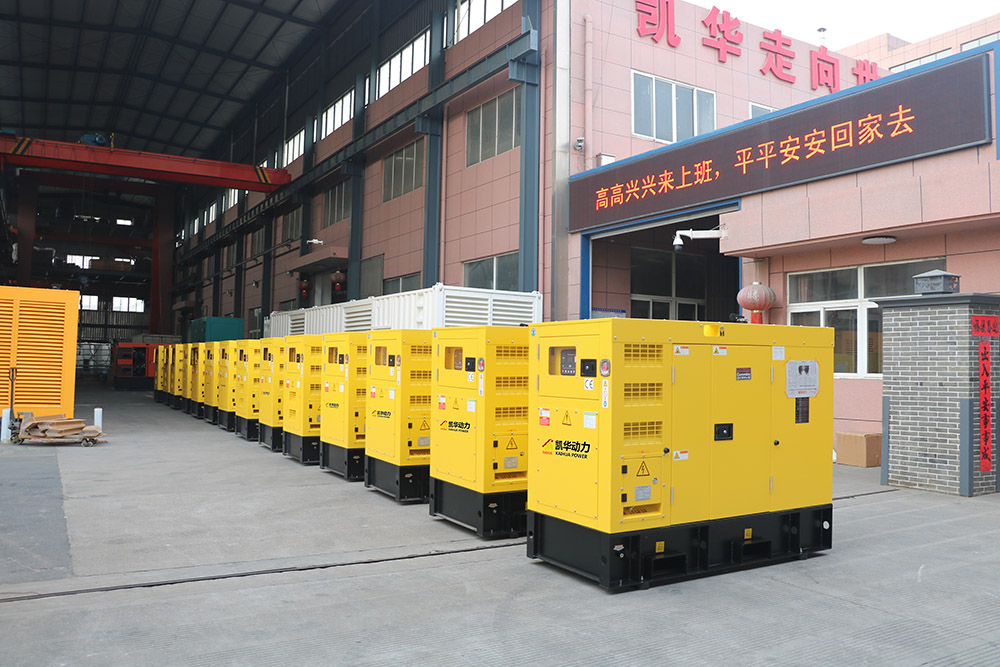
Focusing solely on decibel figures when choosing equipment can lead to misguided decisions. Noise level is a critical factor, but the way sound behaves in your specific environment—its frequency, tonal characteristics, and duration—often matters more than a single number. A machine with a lower decibel rating might still produce an irritating high-pitched whine, while a slightly louder unit with a broadband hum could be far less intrusive. Smart buyers look beyond the spec sheet and consider how the equipment's acoustic footprint will interact with the workspace and the people in it.
Supplier claims about quiet operation warrant a healthy dose of scrutiny. Independent test reports, on-site demonstrations under typical load conditions, and even simple A/B comparisons can reveal disparities between marketing promises and reality. It's also wise to ask about noise control features that go beyond basic insulation—things like motor design, blade geometry, and vibration damping—which often contribute more to perceived quietness than raw decibel data suggests. A supplier's willingness to discuss these engineering details, rather than just quoting a dB figure, is often a sign of genuine expertise.
Ultimately, the selection process should involve a holistic assessment of how a supplier supports long-term acoustic performance. Inquire about maintenance protocols that prevent noise increase over time, availability of sound-reducing accessories, and the supplier's track record for tailoring solutions to unique operational challenges. The best partnerships are built not on a single specification, but on a shared commitment to maintaining a workplace where noise is managed thoughtfully and effectively.
The Tech Behind Tranquil Turbines
Quietly humming in the background of modern wind farms is a suite of engineering breakthroughs that turn chaotic gusts into smooth, usable electricity. Instead of the clunky, roaring machines of decades past, today's turbines employ advanced blade geometries inspired by owl wings, with serrated edges that discreetly scatter sound waves. Active pitch control systems adjust blade angles in real time, letting each rotor slice through the air with minimal resistance even as conditions shift. These refinements mean a turbine can stand just a few hundred meters away and register little more than a whisper, a feat achieved not by adding heavy soundproofing but by rethinking the very physics of motion.
Beneath the nacelle, a web of sensors and predictive algorithms does the heavy lifting. Vibration monitors coupled with machine learning models anticipate wear patterns days before they become problems, while adaptive yaw systems gently steer the entire head into the wind without jolts or wasted energy. Drivetrains have evolved from metal-on-metal gearboxes to direct-drive setups with permanent magnets, trading grinding friction for electromagnetic precision. The result is a machine that can run for years with only cursory check-ups, its components quietly adjusting themselves to the valley breeze or a sudden offshore squall.
This polish extends to the grid conversation itself. Instead of dumping raw power in surges, transformerless designs and fast-switching converters condition the output into a steady, grid-friendly flow. Even the tower gets a rethink—modular concrete-and-steel hybrids dampen sway while adding decades of rust-free life. It’s a holistic quietness: the mechanical sound, the electrical sound, and the maintenance sound all bent toward a cleaner hum. Wind power’s tranquility isn’t luck; it’s the payoff from a decades-long quest to listen to the landscape and then make the turbine sing along.
Where Quiet Generators Shine Brightest
In settings where peace and concentration matter most, silent power sources earn their keep. Consider a starlit camping trip, where the only sounds should be the crackle of a fire and the whisper of wind through pines. A loud generator would shatter that serenity, but a quiet model hums softly in the background, keeping your lights and devices alive without stealing the moment.
Workshops and studios also demand this delicate balance. Creatives and craftsmen need steady electricity without the mental clutter of a droning motor. Whether it's a woodworking bench where the blade's song is part of the craft, or a photographer's darkroom preserving the alchemy of light, a low-decibel unit slides into the workflow almost unnoticed, letting the true work take center stage.
Then there’s the neighborhood gathering—backyard movie nights, birthday parties, or just a quiet evening on the deck. A gentle-running generator keeps the snacks and music flowing while conversations stay easy and laughter remains the loudest thing under the stars.
Maintenance Routines That Preserve Peace
Peace has a way of slipping through our fingers when we forget to tend to the small things that hold it in place. The simplest routines—like making the bed each morning or pausing to breathe before checking your phone—become quiet anchors. They require no grand effort, yet they carve out tiny pockets of calm that shape the tone of the entire day. Over time, these small choices stack up, turning chaos into something manageable and reminding us that we have more control over our inner world than we often believe.
Creating a rhythm that soothes rather than stresses doesn’t mean adding more tasks to an already packed schedule. It might mean rinsing the dishes right after dinner so the kitchen greets you with order in the morning, or lighting a candle only when you sit down to read. These sensory rituals ground us in the present moment, gently nudging the mind away from worry loops. When we honor the ordinary with intention, we’re not just checking off a list—we’re stitching steadiness into the fabric of our lives, one habit at a time.
What matters most is consistency, not perfection. Some days the routine will feel like a lifeline; other days it might slip altogether. Peace isn’t about flawless execution but about returning, again and again, to the practices that restore us. Whether it’s a weekly walk in the woods or ten minutes of unfocused doodling before bed, these rituals accumulate a quiet power. They whisper that no matter how noisy the world gets, there’s a well of calm inside you, patiently waiting to be drawn upon.
Investing in Silence: Cost vs. Serenity
Paying for quiet might seem like an indulgence until you tally the hidden toll of noise. Acoustic panels, triple-glazed windows, and soundproofing underlays come with upfront costs that can feel steep—yet they’re a fraction of what constant clatter steals from your focus and peace of mind. It’s less about splurging and more about deliberately shifting resources to safeguard what erodes so easily without us noticing.
The real return isn’t measured in decibels lowered but in the unspoken calm that settles into a room once the world’s hum is hushed. That quiet isn’t empty; it’s a canvas for sharper thinking, deeper rest, and conversations that don’t compete with the dishwasher. Over time, that investment repays itself in ways far louder than the noise it replaced.
FAQ
It's not truly silent—more like muffled. The quietest models use sound-dampening enclosures, low-tone mufflers, and advanced engine designs that reduce vibration. Inverter technology also lets the engine run at variable speeds, cutting noise dramatically compared to constant-speed traditional units.
Start by calculating your essential wattage: sum up the running watts of items you'd need during an outage (fridge, lights, medical devices). Then look for a model that meets that with some headroom. For home use, an enclosed inverter generator between 3000–7000 watts works well. Also check the noise rating at common loads—around 50-60 decibels is comfortable for a residential setting.
Inverter generators produce clean AC power by converting engine output to DC, then back to stable AC. This lets the motor throttle up and down based on the load instead of roaring at full tilt constantly. Less mechanical strain, less noise. Plus, they're typically built inside sound-insulated cases.
After narrowing down models that fit your power needs, compare warranty coverage, availability of local service centers, and customer support reputation. Some vendors include essential accessories like wheel kits or battery chargers; others charge extra. Read recent buyer reviews that mention long-term reliability, not just the unboxing experience.
Most modern silent generators are designed so the stock enclosure handles noise and weather protection. Adding a third-party box can restrict airflow and cause overheating—voiding warranties. If you're in an unusually windy or rainy spot, a simple overhead cover with open sides is safer than enclosing the unit.
There are suitcase-style models in the 2000-watt range that weigh under 50 pounds and run around 52 decibels—quieter than a normal conversation. They're easy to carry in a car trunk and won't disturb the campsite next to you. Look for models labeled 'parallel capable' so you can link two together if you need more power on rare occasions.
Keep the air filter clean and replace it regularly. A clogged filter makes the engine work harder, increasing vibration and noise. Also, check the spark arrestor screen if your model has one; carbon buildup changes exhaust flow and can create a raspier tone. Routine oil changes with the right viscosity also help the engine run smoother and quieter.
Conclusion
The rising need for silent generator sets stems from more than just noise regulations; it reflects a shift toward environments where tranquility is paramount. Whether for residential backup, outdoor events, or mobile businesses, the clamor of traditional generators is no longer acceptable. Savvy buyers are decoding this demand by looking deeper than decibel labels. Choosing a vendor involves evaluating the full acoustic profile, build quality, and how the unit performs under real loads. A reputable supplier will provide transparent testing data and offer enclosures or sound-dampening innovations that go beyond the marketed decibel rating, ensuring genuine quiet operation rather than just a number.
Modern quiet generators achieve their hush through advanced engineering—from precision-tuned engines and acoustic foam to multi-chamber mufflers that absorb sound waves effectively. These tranquil turbines excel in settings like hospitals, film sets, and residential neighborhoods where disruption is not an option. Of course, sustaining that peace requires consistent upkeep: simple tasks like cleaning air filters, checking mounts, and inspecting enclosures prevent vibrations and noise creep over time. While premium silent models cost more upfront, the investment pays off in reduced stress, happier neighbors, and often longer engine life. Balancing the initial expense against years of serene operation reveals that true value lies in undisturbed living.
Contact Us
Contact Person: Ms. Lu
Email: [email protected]
Tel/WhatsApp: 8618917899306
Website: https://www.hichaipower.com