
RO Membrane Flocculant Supplier: Choosing the Right Partner for Enhanced Water Purity
2026-06-29
Reverse osmosis membranes are the heart of any high-purity water system, but their performance hinges on a critical factor often overlooked: the right flocculant. Partnering with a knowledgeable RO membrane flocculant supplier isn't just about chemicals—it's about securing consistent water quality and extending membrane life. With EVO's tailored solutions, you're not just buying products; you're gaining a proactive ally in the battle against fouling and inefficiency. So, what sets a truly reliable supplier apart? Let's dive in.
Unlocking Water Chemistry: The Key to Flocculant Selection
Water chemistry isn't just a background detail in treatment processes—it fundamentally shapes how flocculants behave. Things like pH, alkalinity, and the specific mix of dissolved salts can swing the performance of a coagulant from brilliant to barely effective. For instance, in low-alkalinity waters, metal-based salts like alum can hog the buffer capacity, driving pH so low that hydrolysis stalls and fluffy flocs never form. On the flip side, high-pH environments might demand a different polymer charge density just to get the particles to bridge properly. Ignoring these nuances means you're essentially guessing, and guesswork in flocculation often shows up as murky effluent or sludge that refuses to settle.
The real trick is recognizing that no two source waters carry the same chemical fingerprint. A polymer that works wonders for a soft surface supply might fail completely when the feed shifts to a harder groundwater, simply because the divalent ion profile alters the electrostatic landscape between particles. Temperature adds another wrinkle: colder water turns viscous and slows everything down, making high-molecular-weight flocculants more of a mixing challenge. By tuning the choice of flocculant—say, switching from a long-chain anionic to a shorter cationic variant under icy conditions—operators can sidestep sluggish reaction times and avoid overdosing. It's this kind of responsive selection, grounded in regular jar testing and sensory cues like floc size and settling speed, that transforms flocculation from a recipe-driven chore into a dynamic, chemistry-led discipline.
Where Flocculant Meets Membrane: Real-World Compatibility
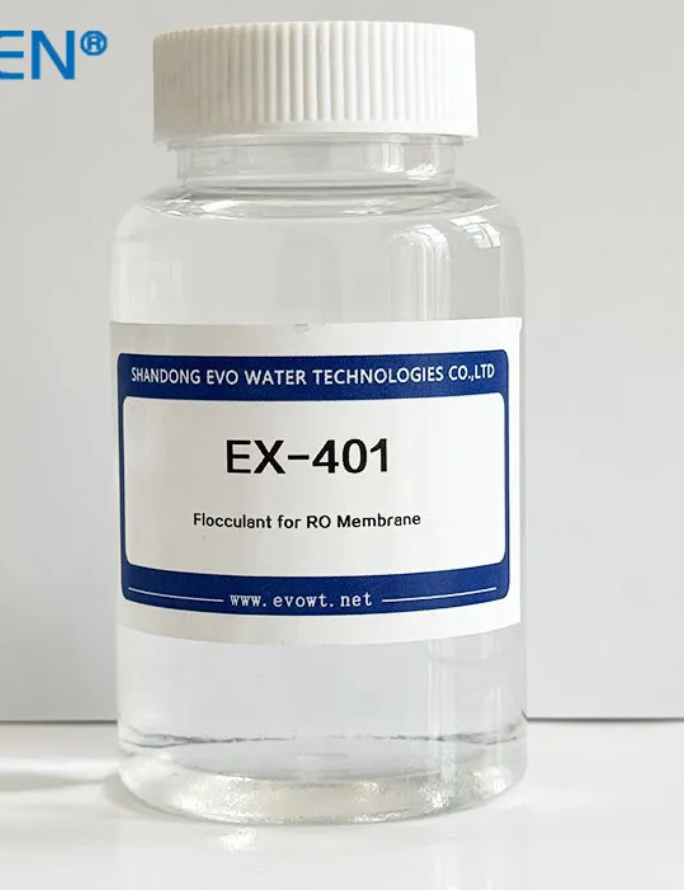
Bringing flocculation and membrane filtration together in a single treatment train sounds straightforward on paper, but the real world often tells a different story. Operators quickly learn that not every flocculant plays nicely with every membrane. Some polymers, especially high-charge cationic types, can irreversibly foul membrane surfaces, turning a promising hybrid system into a maintenance headache.
The sweet spot lies in choosing flocculants that generate robust, shear-resistant flocs that don’t break down under pump pressures or deposit sticky residues on membrane pores. Laboratory jar tests can get you close, but nothing replaces pilot-scale trials where the actual membrane material, backwash cycles, and water chemistry collide. It’s in these trials that you see whether the flocculant truly shields the membrane or simply shifts the fouling problem further down the line.
Technical Depth That Protects Your RO Investment
Real protection for an RO system begins far beneath the surface—in the engineering choices that aren't always visible but are constantly at work. It's the precision-machined pump components, the carefully selected membrane chemistry, and the control logic that anticipates problems before they trigger a shutdown. Without this depth, you're not really protecting your investment; you're just hoping for the best.
We embed protective measures directly into every system's design. Multi-stage pressure management prevents water hammer and flow spikes that silently degrade membranes. Real-time salinity profiling adjusts recovery rates to avoid scale formation, and our proprietary pre-treatment sequencing adapts to seasonal feed water changes without operator intervention. These aren't afterthought add-ons—they're foundational layers that keep the system in its optimal operating zone year after year.
That deep technical approach translates directly into financial resilience. Systems pull fewer amps, consume less chemicals, and go longer between major cleanings. When unexpected upsets happen, built-in diagnostics narrow the cause to a specific component or setting, slashing troubleshooting time. Every layer of technical intelligence reduces the risk of premature replacement, turning a capital expense into a reliable, low-drama asset.
The Logistics of Purity: Why Reliable Supply Matters
Every step a material takes from source to processing plant can introduce risk. Moisture, contamination, or simple delays don’t just slow things down—they can quietly degrade quality in ways that aren’t obvious until it’s too late. When purity is the baseline expectation, the supply chain needs to act less like a conveyor belt and more like a sealed system, protecting integrity at each handoff.
A reliable supply network doesn’t happen by accident. It’s built on rigorous qualification of carriers, real-time tracking that goes beyond GPS ping, and warehouse protocols that treat temperature and humidity not as suggestions but as hard limits. The best partners understand that their truck, vessel, or storage tank is an extension of the production line—one where a single deviation can trigger a cascade of spec failures.
In the end, purity isn’t just a lab result; it’s the sum of hundreds of logistical decisions made days or weeks before testing even occurs. Companies that treat transport and storage as mere cost centers often learn this lesson through expensive rejects. Those that invest in supply chain transparency earn something rarer: the confidence that what arrives matches what was promised, every time.
Sustainable Flocculants: A Cleaner Path to Clean Water
Flocculants have long been a cornerstone of water treatment, binding suspended particles into larger clumps that can be easily removed. Yet the conventional ones—often synthetic polymers derived from petroleum—leave behind their own trail of environmental unease, from microplastic shedding to toxic monomer residues. A shift is quietly unfolding, as researchers and industry players turn toward materials that nature already knows how to handle. Think of chitosan pulled from shrimp shells, starch-based blends, or even microbial exopolymers: these biological flocculants work with the same aggregating power, but break down harmlessly once their job is done, sidestepping the persistent pollution that synthetic cousins can carry.
What makes these sustainable alternatives genuinely compelling isn’t just the end-of-life aspect—it’s how they can reshape the entire treatment cycle. Many bio-based flocculants perform well across a wider range of pH and salinity, reducing the need for auxiliary chemicals and energy-intensive adjustments. In some cases, the sludge left behind becomes a nutrient-rich resource instead of hazardous waste, opening doors to circular systems where water cleanup feeds back into agriculture or biogas production. The real promise, however, lies in scaling without repeating the mistakes of the plastic era: sourcing from waste streams, designing for regional abundance, and making sure the solution doesn’t quietly become another burden for ecosystems downstream.
Growing Together: Scalable Solutions for Tomorrow's Demands
The challenges of tomorrow aren't waiting for anyone to catch up—they're already reshaping markets, straining infrastructure, and testing the limits of conventional approaches. Growing together isn't just a nice idea; it's a necessary framework for building systems that flex rather than fracture under pressure. Scalable solutions, at their core, demand a blend of foresight and adaptability: think modular architectures that can plug in new capabilities without overhauling the whole, or data pipelines that gracefully swell when user bases multiply overnight. The real magic happens when teams shift from reactive patches to proactive design, embracing the philosophy that growth should be an intentional journey, not a series of emergency room visits.
What often gets missed in the rush to scale is the human element—the people who build, maintain, and rely on these systems. A solution that expands effortlessly on paper can become a nightmare if it ignores the collaborative dynamics that keep things running. This means cultivating environments where knowledge flows freely, where documentation isn't an afterthought, and where tools are chosen not just for their raw power but for their ability to bring teams together. When a platform doubles its user base overnight, the difference between triumph and chaos often comes down to how well the supporting ecosystem—the dashboards, the alerting, the on-call rotations—has been tuned for the humans in the loop. It's about creating a mesh of shared ownership, where scaling up doesn't mean scaling apart.
Underneath all the technical and organizational layers lies a simpler truth: sustainable growth is rooted in habits of curiosity and continuous refinement. Instead of chasing the loudest trends, the most durable solutions emerge from teams that routinely ask what can be simplified, what can be made redundant, and what hidden dependencies might snap under force. They treat every bottleneck not as a failure but as a clue pointing toward a more resilient structure. By weaving scalability into the daily rhythm—through pair reviews that question assumptions, automation that eliminates toil, and an almost stubborn refusal to let complexity pile up—what emerges is a living system that doesn't just handle tomorrow's demands but thrives on them. That's the quiet confidence of growing together: not a sprint toward some distant finish line, but a steady, collective willingness to evolve.
FAQ
A dependable supplier goes beyond just product delivery. You need someone who understands your water chemistry, offers consistent formulation, and can provide real-world performance data. Look for transparency in manufacturing, flexible supply logistics, and a track record of working with facilities similar to yours.
A well-matched flocculant conditions the feed water so that suspended solids clump together effectively before reaching the membranes. This reduces fouling, maintains stable differential pressure, and extends cleaning intervals. Without that pretreatment precision, membranes foul faster, recovery drops, and you end up with more downtime and chemical cleanings.
Impurities in the permeate can compromise downstream processes—whether it’s pharmaceutical water, boiler feed, or microelectronics manufacturing. Even minor contamination affects product quality or equipment longevity. Achieving high purity ensures compliance with strict specifications and protects sensitive assets from scale, corrosion, or microbial growth.
One major hurdle is matching the flocculant’s charge and molecular weight to the specific foulants in your water. Off-the-shelf products sometimes over-dose or create sticky precipitates that blind membranes. Another challenge is inconsistent product quality between batches, which leads to operational unpredictability. Logistics and local stocking can also be pain points if the supplier isn’t regionally responsive.
Ask for case studies with site-specific data, not just general brochures. On-site jar testing and pilot trials under your own conditions reveal a lot. Check if they have a responsive technical team that can troubleshoot without delay. Long-term partnerships often hinge on their ability to adapt when raw water quality changes, so push for references where that adaptability was tested.
Technical support is everything beyond the product itself—analyzing your SDI and zeta potential, adjusting dosing in real time, and training your operators. A supplier that only drops off drums adds little value. The right partner acts like an extension of your operations, helping you fine-tune pretreatment and reacting quickly when membrane differential pressure starts to creep up.
There isn’t a single universal standard, but reputable suppliers adhere to NSF/ANSI certifications where applicable and ensure compatibility with membrane manufacturer guidelines. Many also follow ISO quality management for production consistency. The key is verifying that the flocculant doesn’t introduce substances that damage polyamide layers or violate discharge permits.
High-grade flocculants reduce cleaning frequency and membrane replacement cycles, so although the unit price might be higher, the total cost of ownership often drops. Poor quality leads to more frequent CIP cycles, increased chemical consumption, and premature membrane degradation. Over time, those hidden costs far outweigh saving a few cents per gallon on the flocculant itself.
Conclusion
Choosing the right RO membrane flocculant supplier starts with understanding your water chemistry inside out. A partner who digs into the specific foulants, pH shifts, and ionic loads you face will tailor a flocculant that performs reliably without compromising membrane integrity. The real test is real-world compatibility: how well the flocculant binds particulates while leaving no sticky residues or charge mismatches that shorten membrane life. Technical depth matters—look for a supplier who runs actual jar tests with your feedwater, monitors silt density index trends, and advises on dose optimization to avoid over-fouling or under-coagulation. This proactive insight shields your RO investment from premature cleaning cycles and pressure drops that eat into performance and budgets.
Beyond the chemistry, consistent logistics and sustainability define a supplier you can count on. Plant operations don’t pause, so reliable delivery schedules, regional warehousing, and traceable quality batches keep your dosing tanks full and your membranes safe. Environmentally advanced flocculants—biodegradable, low-monomer, phosphorus-free—help you meet discharge limits without sacrificing particle removal. Equally vital is a partner who scales with you: whether expanding train capacity or tackling new water sources, they bring formulation tweaks, piloting support, and steady supply chains to match your growth. The end result is cleaner water, lower total cost of ownership, and a collaboration built on trust rather than just transactions.
Contact Us
Contact Person: Fiona Su
Email: [email protected]
Tel/WhatsApp: 8619963724144
Website: https://www.evo-chemical.com/