

Professional Red Light Therapy: What to Expect, Benefits, and Risks
2026-08-13
Red light therapy has moved from clinical trials to spa menus, but 'professional' doesn't always mean 'proven.' Here's what truly matters: the expected results, the real benefits, and the risks you won't hear about elsewhere. Omeina cuts through the noise to give you the facts.
Before the Glow: Arriving for Your First Session
You’ll know you’re in the right place when the door chime sounds less like a store and more like a spa. Check in, grab a clipboard, and don’t overthink the medical history section—it’s just to make sure your skin doesn’t throw a tantrum later.
Wear a top that’s easy to pull over your head, because changing into a robe feels way more relaxing than wrestling with a turtleneck. Skip the heavy moisturizer that morning; clean skin means the treatment can actually do its job instead of fighting through a layer of goop.
If you’re nervous, that’s normal. The first session is mostly about your skin getting introduced to the process, not about walking out looking like a different person. Ask questions, even the ones you think are silly—nobody here is judging you for wondering if it’ll hurt.
Wavelength and Dose: The Variables That Matter
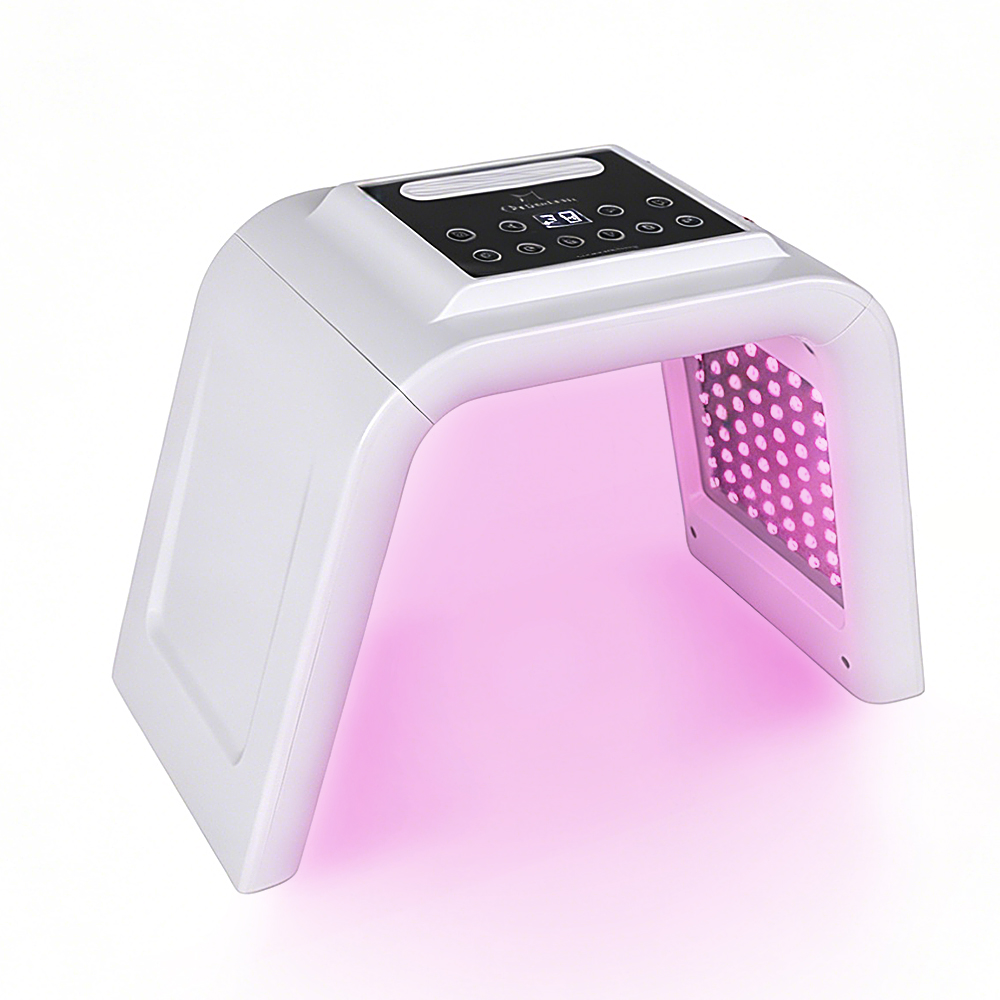
Pick the wrong wavelength and even a perfectly calibrated device will underperform. The reason is straightforward: chromophores in skin, blood, or tissue absorb light only at specific bands. A 532 nm beam hits superficial pigment, while 1064 nm dives deeper, and that difference alone can decide whether a treatment works or fizzles. Dose, on the other hand, is the multiplier that turns a selected wavelength into a clinically meaningful response. Too little energy and nothing happens; too much and you trade efficacy for downtime or damage.
In practical terms, these two variables are never independent. A wavelength that penetrates well at one fluence may behave differently at another, because thermal relaxation and scattering shift with energy density. Practitioners who rely on fixed settings miss this interplay—what worked on one patient’s skin type can fail on another with higher melanin content or thinner dermis. Adjusting dose without changing wavelength often compensates for absorption differences, but only within a narrow window.
That is why the most reliable protocols pair wavelength selection with dose titration based on real-time endpoints. Instead of chasing a universal number, look for the visible or measurable response—erythema, blanching, or a slight temperature rise—and stop when it appears. This approach respects biological variability and keeps treatments effective without relying on guesswork.
What Changes First: Skin, Sleep, or Soreness?
People often assume skin improvements show up first because they're visible, but that's rarely the case. Your body prioritizes recovery and nervous system regulation before it spends energy on surface-level changes. So if you've just started something new—whether it's a collagen routine, a different training split, or a magnesium supplement—you're more likely to notice deeper sleep or less morning stiffness within the first week or two. Skin turnover takes longer, usually six to eight weeks, because the epidermis needs time to cycle through new cells.
Sleep and soreness can shift almost in tandem, but they don't always follow the same timeline. If the change involves better mineral balance or reduced inflammation, you might sleep more soundly within a few nights, while muscle soreness after workouts fades more gradually as your recovery pathways adapt. Some people feel less tightness within ten days, but that depends on training load, hydration, and how long you've been pushing the same muscle groups. The tricky part is that one change can mask another—when you sleep better, your perception of soreness often drops, so you might think your recovery is faster than it actually is.
In practice, don't judge a new protocol by your face in the mirror. Track how quickly you fall asleep, whether you toss less at night, and how your legs or back feel upon waking. Those early feedback loops tell you more about whether the approach is working than any subtle shift in skin texture or glow. Give skin at least two full cycles—around two months—before drawing conclusions, because the visible payoff usually arrives last, even though it's the one people watch most closely.
The Strength of Evidence Behind Recovery Claims
Not all recovery claims carry the same weight of evidence. Some are supported by multiple randomized controlled trials and long-term follow-up data, while others rely on a handful of patient testimonials or small industry-funded pilot studies. The distinction matters because recovery is often confounded by placebo effects, regression to the mean, and the natural healing process—without a solid control group, it is easy to mistake these for genuine treatment effects.
A strong evidence base typically includes controlled comparisons, adequate sample sizes, and independent replication. Many widely advertised recovery methods cite short-term studies lacking active controls, yet such designs can exaggerate benefits. Publication bias further distorts the picture: studies with positive findings are more likely to be published, while negative or null results remain in file drawers. Meta-analyses that pool all available data can offer a clearer view, but their conclusions depend heavily on the quality of the included trials and whether the authors probed for small-study effects.
For anyone evaluating a recovery claim, the practical takeaway is to look past testimonials and marketing language and examine the underlying study architecture. A claim backed by several large, preregistered trials with appropriate control groups and consistent outcomes deserves far more confidence than one resting on before-and-after photos or patient satisfaction surveys. Evidence strength is not a simple yes or no; it exists on a continuum, and honest conversations about recovery should place each claim on that continuum rather than treating all supportive data as equally convincing.
Pregnancy, Medications, and Other Reasons to Wait
Pregnancy can temporarily affect your eligibility, not because it is unsafe to donate during pregnancy, but because your body is already working hard to support both you and your baby. Most blood centers ask you to wait until at least six weeks after delivery, and longer if you had a cesarean section or received a blood transfusion. The waiting period allows your iron levels, blood volume, and overall strength to recover before you give again.
Medications are another common reason for deferral, though many people assume only prescription drugs matter. In reality, over-the-counter products like aspirin, certain antibiotics, or even acne treatments can lead to a temporary hold. The reason is rarely about the medication contaminating your blood; it is more about the underlying condition being treated or the drug's effect on your platelets and clotting. Herbal supplements, such as ginkgo or high-dose fish oil, can also affect bleeding and should be disclosed.
Other reasons to wait can surprise first-time donors, including recent travel to areas with malaria, getting a tattoo or piercing in an unregulated facility, or simply having a low hemoglobin reading on the day of your appointment. Minor illnesses like a cold, flu, or sore throat may push your donation back until you have been symptom-free for a few days. None of these deferrals are permanent, and most people can return after a short interval.
How to Support Results Between Appointments
The time between sessions often determines whether progress sticks or fades. Instead of waiting passively for the next appointment, turn the gap into a quiet lab. Pick one specific outcome from your last visit—maybe a thought pattern, a movement drill, or a communication habit—and track it daily in a simple note or voice memo. Specificity matters: noting 'I paused before reacting twice today' teaches far more than a vague 'things went okay.'
Create a small bridge ritual that repeats between appointments. This could be a five-minute morning reflection, a short walk where you mentally rehearse a coping skill, or a check-in with a friend who knows your goal. Anchor the ritual to something already automatic, like after pouring coffee or brushing teeth. When the next appointment arrives, bring two observations: what helped the most and what felt forced. That gives the professional raw material to adjust instead of starting from scratch.
If a result starts slipping, do not wait to report it. Send a brief update through whatever channel the practice allows—a patient portal message, a short email, or a note on a shared worksheet. Early feedback lets the provider tweak the plan while the gap is still manageable, not after a relapse has settled in. Support between appointments is not about doing more; it is about making the work you already agreed to easier to see and adjust.
FAQ
You'll usually be asked to remove makeup, lotion, or anything that could block light penetration. Most clinics have you lie down or sit in front of a panel that emits red and near-infrared wavelengths. Goggles are often provided to protect your eyes. A session typically lasts 10 to 20 minutes, and you'll feel a gentle warmth on your skin but no burning or discomfort. Afterward, you can go about your day immediately — there's no downtime.
It varies depending on what you're targeting. For skin texture or fine lines, some people notice a subtle glow after a couple of sessions, but meaningful improvements usually take four to eight weeks of consistent use. For muscle recovery or joint discomfort, relief can sometimes appear after the first few sessions. Skin issues like acne or redness may need longer, often six to twelve weeks.
The biggest risk is eye strain if proper goggles aren't worn, so reputable clinics will insist on protection. Some people experience mild redness or tightness in the skin right after a session, but that usually fades within a few hours. Overuse can theoretically lead to skin sensitivity, so it's important not to exceed recommended session lengths. People taking photosensitizing medications should speak with a doctor first.
Professional devices typically use higher irradiance (light output) and are calibrated to deliver a precise dose over a larger treatment area. This means sessions are often shorter and may penetrate deeper. At-home panels can still be effective for maintenance, but they're usually less powerful, so you may need longer or more frequent sessions to match a clinic-grade result. A professional can also tailor the wavelengths to your specific concerns.
Both. Red and near-infrared light can reach muscle tissue and joints, where they help reduce oxidative stress and support cellular repair. Many physical therapists and sports clinics use it for conditions like knee pain, back stiffness, or tendonitis. For skin, it's more about collagen production and reducing inflammation. The mechanism is similar — boosting mitochondrial function — but the depth of penetration determines what gets targeted.
Skip heavy creams, sunscreens, or makeup before your session since they can block the light. Avoid tanning beds or strong sun exposure for 24 hours after treatment, because your skin may be slightly more sensitive. It's also wise to stay hydrated. There's no need to avoid exercise, but if you're using it for muscle recovery, a light cool-down afterward is better than an intense workout immediately after.
Pregnant women are often advised to avoid it as a precaution, though there's no strong evidence of harm. People with active cancer or a history of skin cancer should consult their oncologist, because light therapy can theoretically affect cell proliferation. Those with photosensitive conditions like lupus or porphyria should also get medical clearance. If you're taking medications that increase light sensitivity, check with your doctor first.
For skin rejuvenation, a common protocol is two to three sessions per week for the first month, then once a week or every other week for maintenance. For injury recovery or chronic pain, some clinics recommend three to five sessions in the first two weeks, then taper based on how you respond. The key is consistency — sporadic use rarely produces lasting changes.
Conclusion
Walking into your first professional red light therapy session feels less like a medical procedure and more like stepping into a warm, quiet booth. You might wear protective goggles while panels bathe your skin in deep red and near-infrared light. The technician should ask about your goals and adjust wavelength and dose accordingly—because not all red light is the same. Shorter wavelengths around 630–660 nm tend to target skin surface concerns like fine lines and redness, while longer near-infrared wavelengths around 800–850 nm reach deeper tissues for muscle soreness and joint comfort. Most people don't notice dramatic changes after one visit. Instead, subtle shifts appear over days: skin may look slightly plumper or calmer, sleep can deepen within the first week, and tight muscles often ease before visible cosmetic improvements show up.
That said, the evidence behind recovery claims is mixed. Some studies show modest benefits for wound healing, acne, and post-exercise soreness, but larger, well-controlled trials are still lacking for many advertised outcomes. Red light therapy is generally low-risk, yet certain conditions call for caution. If you are pregnant, taking photosensitizing medications, or have active cancer or epilepsy, you should postpone treatment until cleared by a doctor. To get the most from sessions, avoid heavy sun exposure right after, stay hydrated, and keep a consistent schedule—most protocols work best with two to three sessions weekly over several weeks. Between appointments, support your skin with gentle cleansing and moisturizer, and track sleep, pain, or complexion changes in a simple journal. That way you can tell whether the light is actually working for you, rather than relying on spa promises.
Contact Us
Contact Person: Tina Liu
Email: [email protected]
Tel/WhatsApp: 8618681405932
Website: https://www.omeinabeauty.com/