

Private Label GS-441524 FIP Treatment Guide for Cat Owners
2026-11-02
If your cat has been diagnosed with FIP, you've likely spent sleepless nights searching for real answers—not just dry medical jargon. This guide cuts through the noise. We'll walk you through a practical, owner-focused approach to GS-441524 treatment, including the often-overlooked private label option that gives you more control over sourcing and cost. Along the way, you'll see why so many cat owners turn to Lucpets for transparent, lab-verified supplies. Ready to move from fear to a clear plan? Let's get started.
FIP Isn't a Death Sentence Anymore
For years, a diagnosis of feline infectious peritonitis meant heartbreak. Veterinarians could offer little beyond palliative care, and owners were often left watching their cats fade within weeks. The virus, a mutation of a common feline coronavirus, triggered a devastating immune response that was almost always fatal. But the conversation has shifted dramatically.
The turning point came with the emergence of antiviral drugs like GS-441524. Originally studied in the lab, these nucleoside analogs target the virus's ability to replicate, giving the cat's immune system a fighting chance. What was once an underground, unapproved treatment is now becoming more accessible through compounding pharmacies and clinical guidance, with remission rates that would have seemed impossible a decade ago.
Of course, treatment is not easy. It involves daily injections or oral medications for weeks, regular monitoring, and significant cost. But for many owners, the prospect of a full recovery—where their cat returns to normal life—is no longer a fantasy. FIP has moved from a death sentence to a treatable disease, and that is a profound change for feline medicine.
Spotting the Subtle Signs Your Cat Is Fighting FIP
FIP doesn’t always announce itself with a dramatic collapse. More often, it creeps in through small shifts in your cat’s daily rhythm—things you might brush off as a passing mood or a hairball day. A kitten who normally races to the food bowl may linger near it but take only a few half-hearted bites, or start leaving a little wet food untouched. That slight loss of appetite often pairs with a quiet energy dip: the same cat who used to ambush your ankles now spends an extra hour curled in the corner, not exactly lethargic, just dimmed.
Watch for the strange little fever cycles, too. You might notice your cat’s ears and paw pads feel warmer some evenings, then normal again by morning, as if the fever can’t decide whether to stay. Some cats develop a soft, doughy belly that isn’t fat—fluid starting to gather while the spine and shoulder blades feel more prominent than before. If the usually fastidious groomer starts looking rough around the haunches or the eyes seem just slightly off—perhaps a faint change in color or a new squint—trust that instinct. These subtle, shifting signs are easy to miss, but together they form a quiet pattern worth bringing to a vet sooner than later.
Why Not All GS-441524 Is the Same
The term GS-441524 might imply a single, uniform molecule, but what actually reaches your cat can vary considerably depending on how it was made and formulated. The base compound is just the starting point; differences in synthesis routes can leave behind distinct impurity profiles, even when the labeled purity looks similar on paper. Some production methods generate byproducts that are difficult to remove completely, and those trace compounds may influence tolerability or long-term safety in ways that a simple certificate of analysis won't reveal.
Beyond impurities, the physical form of the drug matters a great deal. GS-441524 can exist as a free base or as a salt, and the choice of salt form changes how readily it dissolves in water or biological fluids. A poorly chosen counterion can reduce oral absorption, meaning a cat gets less active drug even if the milligram dose is identical. Particle size and crystal structure further affect dissolution rates; two powders that look the same under a microscope can behave very differently inside the body.
Finally, the finished formulation—whether a capsule, tablet, or suspension—introduces its own variables. Fillers, binders, pH adjusters, and preservatives all interact with the active molecule, sometimes accelerating degradation or limiting bioavailability. A manufacturer that optimizes these excipients for feline physiology will produce a more reliable product than one that simply mixes raw GS-441524 with generic fillers. This is why identical labels can mask meaningful differences in real-world outcomes.
Giving the Injection Without the Stress
Injections don’t have to feel like a dreaded event. The key is shifting your focus away from the needle itself. Start by taking a few slow, deep breaths before you even open the package. Let your shoulders drop and unclench your jaw. When your body is tense, the skin tightens and the needle meets more resistance, which can amplify the sting. By calming your nervous system first, you make the entire process smoother and less painful.
Where you give the injection matters just as much as how you feel. Choose a spot with a bit of fatty tissue—like the outer thigh or the lower belly, a couple of inches away from the navel. Gently pinch the skin to create a firm but relaxed mound. Don’t rush the insertion; a steady, confident push works better than a hesitant jab. If you’re using an auto-injector, let the device do the work and count slowly to five before pulling it away.
Afterward, give yourself a moment to reset. Apply light pressure with a clean cotton ball—rubbing can irritate the area. Notice how your body feels now that the anticipation is over. Over time, this routine becomes familiar, almost automatic. The stress fades because you’ve replaced fear with a simple, repeatable ritual that puts you in control.
What a Good Response Actually Looks Like
A good response doesn't just hand over information; it shows that the person behind the question was actually heard. It starts by addressing the real concern, not the surface-level wording. For example, if someone asks why their plant is turning yellow, a useful reply might ask about watering habits before listing generic plant care tips. That small shift makes the difference between a canned answer and a genuine conversation.
The best responses also have a natural rhythm. They don't read like a template with bullet points forced into paragraphs. Instead, they offer a specific example, a short step-by-step suggestion, or an honest "I'd check this first." They're not afraid to say when something depends on context, but they still give the reader something concrete to try right away.
Finally, a good response leaves the door open without sounding like a customer service script. It might end with a question that invites more detail, or a practical next step that feels doable. The goal isn't to close the conversation with a neat summary, but to make the person feel like they got real value and can easily follow up if needed.
Helping Your Cat Rebuild Strength After Treatment
After treatment ends, your cat's muscles may have weakened, and her energy levels can dip at odd times. Start by offering small, frequent meals with high-quality protein, warmed slightly to release aroma. If she resists eating, try hand-feeding a few bites or adding a little low-sodium chicken broth (no onion or garlic) to her usual food.
Rebuilding strength isn't just about food. Create short, gentle play sessions using a feather wand or a soft ball, but let her set the pace. Watch for signs of fatigue, such as lying down mid-chase or breathing heavily, and stop before she gets overtired. Place ramps or low steps near her favorite resting spots so she can move around without jumping too high.
Keep a simple log of her appetite, weight, and activity for the first few weeks. If she stalls or loses weight despite your efforts, loop in your vet. A gradual return to normal curiosity, grooming, and small bursts of play are the real milestones to celebrate.
FAQ
GS-441524 is the active antiviral that sits inside remdesivir. It targets the RNA polymerase the FIP virus needs to copy itself. Once the drug gets into infected cells, it stops viral replication, which gives the cat's immune system a real chance to clear the infection. It isn't a cure on its own; the cat's own immune response still has to do a lot of the work.
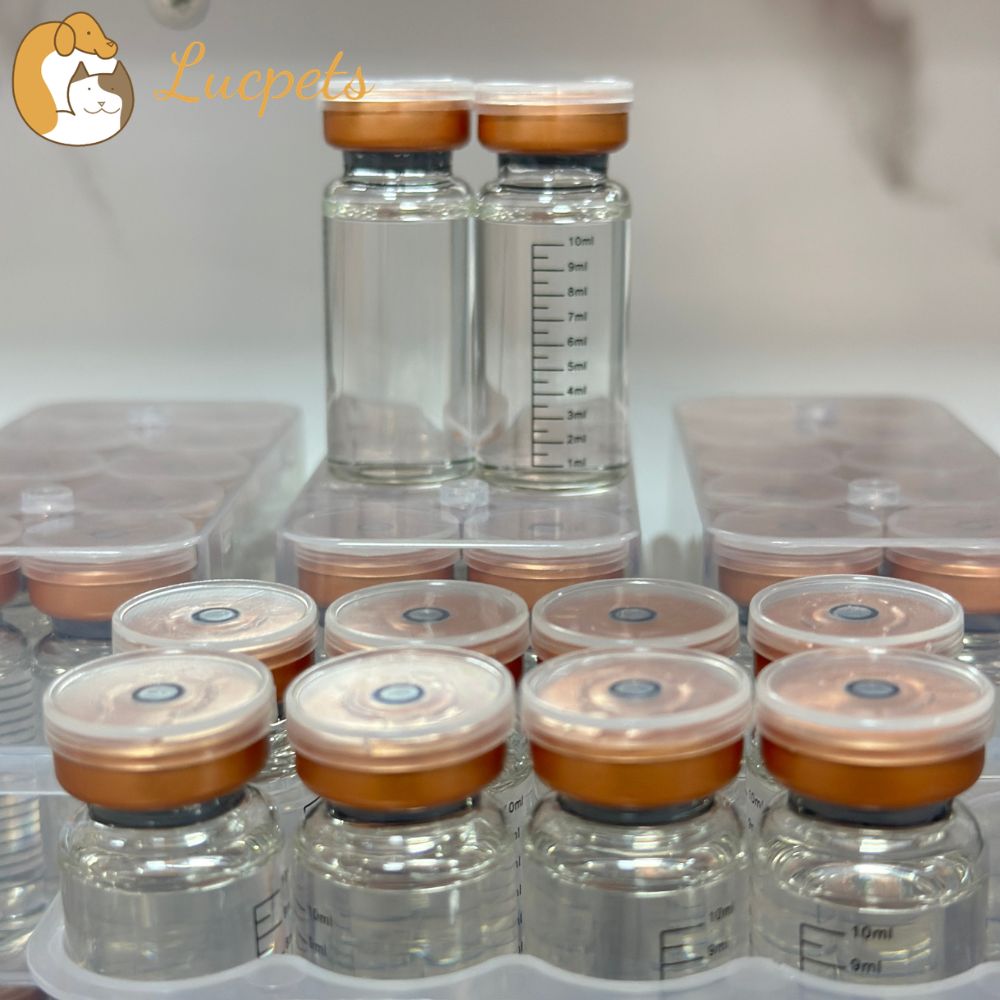
Private label simply means the manufacturer produces the GS-441524 under a brand name chosen by a specific seller or clinic. The active molecule is identical to what's used in research settings, but quality control, purity, and concentration can vary widely between private labels. Always ask for third-party HPLC or mass spec results before buying, and avoid any seller that won't share them.
You can physically inject at home, but starting without any baseline bloodwork is risky. You need at least a CBC, chemistry panel, and preferably a globulin/albumin ratio before day one. Without those numbers, you won't know if the drug is working or if liver or kidney values are being affected. Many owners work with a vet or an experienced treatment advisor remotely.
Most protocols recommend 4–6 mg per kilogram per day for wet FIP, injected subcutaneously. Dry or ocular FIP often starts at 6–8 mg/kg. The dose is recalculated as the cat gains weight, usually every week or two. Some cats need a bump in dose if they plateau or relapse, but never increase without bloodwork showing the need.
The most common issues are injection-site sores, pain, and local skin thickening. Some cats develop mild lethargy or reduced appetite in the first few days. More serious but rarer effects include elevated liver enzymes, anemia, or ear tip necrosis. Check the injection area daily for redness or leaking, and keep a log of any appetite or energy changes.
Standard course is 84 days, or 12 weeks. After the last injection, there's an 84-day observation period where you watch for any return of symptoms. A cat is considered cured if bloodwork normalizes and no clinical signs return during that entire observation window. Relapse before day 84 of observation usually means restarting treatment at a higher dose.
Oral forms exist but are generally less reliable for induction because absorption varies with food and individual gut health. Injectable GS-441524 reaches higher and more consistent blood levels, which is why most treatment protocols start with injections for at least the first 8 weeks. Oral can be useful later for maintenance or for cats with severe injection-site damage.
Warm the syringe to body temperature before drawing the dose, swap needle after drawing to avoid a dull tip, and rotate injection sites across four quadrants of the back. Use a towel wrap or a cat bag if needed, and give a high-value treat immediately after. Some owners find that a topical numbing cream applied 30 minutes before the shot reduces flinching.
Conclusion
FIP has shifted from a terminal diagnosis to a manageable condition, but only if you act early and understand what you're dealing with. Many cats hide their illness until it's advanced, so watching for small changes—like a drop in appetite, a swollen belly, or a cat that stops jumping—can make the difference. Once you start treatment with private label GS-441524, you'll quickly learn that not every batch or brand works the same. Purity, concentration, and proper storage matter more than the label. The injection itself doesn't have to be a daily battle, either. Warming the vial, using the right needle size, and distracting your cat with a treat or gentle restraint can turn a stressful moment into a manageable routine. Owners who prepare a quiet space and stay calm usually see their cats relax within a week.
A good response to GS-441524 isn't just about bloodwork numbers. Within days, many cats start eating more, grooming again, or showing interest in toys. The belly fluid may take a bit longer to disappear, but steady energy is a hopeful sign. Don't panic if there's a plateau—sometimes progress stalls for a few days before resuming. After the treatment ends, recovery is a slow process, not a race. Rebuilding muscle, restoring gut health, and keeping stress low are just as important as finishing the injections. Offer small, frequent meals with high-quality protein, and let your cat set the pace for play and rest. Some owners add supplements like omega-3 or probiotics, but check with your vet first. The goal is not just survival, but a return to a normal, playful life.
Contact Us
Contact Person: Aaron
Email: [email protected]
Tel/WhatsApp: +86 18177165140
Website: https://www.lucpetsglobal.com