
OEM Non Woven Bags for Smart Sustainable Branding
2026-11-02
Picture this: your brand's logo strolling through city streets on the shoulder of every eco-conscious shopper. That's the quiet power of OEM non woven bags—durable, reusable, and endlessly customizable. But not all suppliers understand the fine line between 'just another tote' and a walking billboard for sustainable values. That's where CHALLENGE WOLVES comes in. In this post, we'll unpack how smart OEM choices turn a simple carryall into a strategic branding move that your customers actually want to carry.
Your Current Tote Bag Is Quietly Hurting Your Brand (Here's the OEM Fix)
A tote bag seems like a harmless giveaway, but the one you're handing out right now may be doing more damage than you realize. Thin handles that dig into shoulders, stitching that unravels after a month, and a fabric that turns flimsy after one wash all send a silent message: this brand cuts corners. Customers might smile when they accept it, but they'll remember how quickly it fell apart when they're deciding whether to trust you with a larger purchase.
The real issue isn't just low-quality materials; it's the missed opportunity to turn every carrier into a walking billboard. A bag that loses its shape or fades to a muddy gray within weeks stops being used, which means your logo disappears from streets, gyms, and grocery stores. Worse, if the tote ends up in a landfill after a season, it contradicts any sustainability story you're trying to tell. Your brand gets associated with waste rather than value.
Here's where an OEM partner changes the equation. By working directly with a manufacturer that specializes in custom tote production, you control the fabric weight, handle reinforcement, and print durability from the start. You're not picking from a catalog of generic options; you're specifying a bag built to survive daily use and still look sharp after a year. That shift from disposable swag to durable branded gear is what separates forgettable freebies from bags people actually reach for every morning.
Non Woven Fabric Grades: What 'GSM' Really Means for Durability
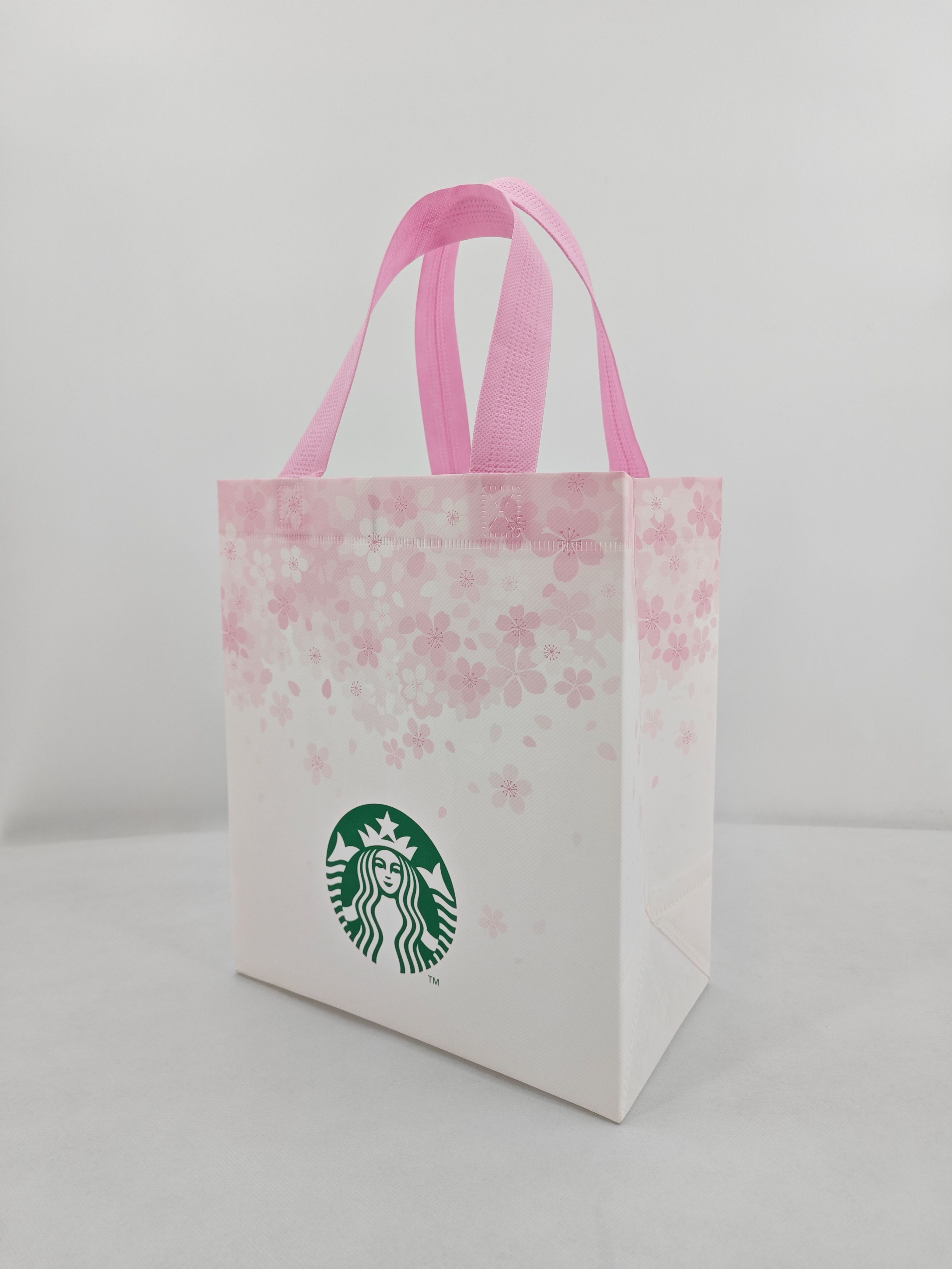
GSM, or grams per square meter, is the most direct way to gauge how much material sits in a single sheet of non woven fabric. It's not just a number on a spec sheet—it tells you how dense the fiber web is, which shapes everything from tear resistance to how long the fabric holds up under repeated stress. A 15 GSM fabric, often used for lightweight shopping bags, will feel thin and flimsy compared to a 90 GSM option meant for heavy-duty reusable totes. The difference comes down to fiber density: the higher the GSM, the more polypropylene fibers are packed into each square meter, creating a tougher, more load-bearing structure.
But durability isn't simply a case of 'higher GSM equals better.' The intended use matters just as much as the number itself. For disposable medical gowns, a 25–35 GSM fabric offers enough barrier protection while staying breathable and economical. For landscaping fabric that must resist punctures from stones and roots, you'd want something in the 70–100 GSM range. Even mid-range fabrics around 50 GSM can outperform higher GSM options if they use a spunbond-meltblown-spunbond composite, where the meltblown layer adds strength without extra bulk. So when comparing grades, look beyond the raw number—check the fabric construction and whether the GSM aligns with the real-world abrasion, tension, and exposure the product will face.
The Hidden Features That Turn a Simple Bag into a Brand Magnet
It’s rarely the logo that hooks people—it's the way a strap stays put on your shoulder after three hours of walking, or the snap of a magnetic closure that feels expensive without looking flashy. These overlooked touches build a sense of reliability and taste, which spreads faster than any campaign.
Consider the interior. A lining that doesn't snag fingernails, a pocket sized exactly for a phone, a key leash that actually reaches the lock—these are the things people mention when they recommend a bag. They signal that the brand understands daily friction, not just aesthetics.
Even the weight distribution matters. A bag that carries heavy without digging into skin, or one that stands upright when set down, creates a feeling of control. That feeling gets associated with the logo, turning a functional object into a subtle status marker.
Auditing an OEM Supplier for Real Sustainability (Not Just Talk)
A glossy CSR report and a wall of certificates won't tell you if an OEM supplier is actually cutting emissions or just rebranding old practices. During an on-site audit, walk the production floor without a scripted tour. Check whether the filtration systems are running, ask to see utility bills for the past twelve months, and trace a specific batch of raw material back to its source. If the supplier can't produce original invoices or energy logs on the spot, treat that as a red flag—not an inconvenience.
Real sustainability also lives in the details that standard checklists miss. Interview workers away from management, and ask about chemical handling, overtime linked to rush orders, or whether waste is segregated before it leaves the facility. A supplier that genuinely tracks its water use, carbon footprint, and hazardous waste will have operational data—not just marketing slides. Cross-check that data against third-party monitoring reports or satellite imagery if possible.
Finally, push beyond tier-one compliance. Ask the OEM to map its own suppliers for high-risk materials like leather, cotton, or rare earth metals. If they hesitate to reveal sub-tier names or cannot show a corrective action plan from a previous audit, their sustainability claims are likely shallow. The goal isn't to collect paperwork; it's to verify that the supplier treats environmental and social performance as a daily operating discipline.
Color, Texture, and the Subtle Art of Premium Bag Design
Premium bags rarely rely on loud color. Instead, a deep oxblood or muted sage carries its own history—pigments shift under different leather finishes, sometimes pulling violet from a navy hide or warming a grey into taupe. Texture does the first talking: the pebbled grain of a drum-dyed calfskin, the dry hand of vegetable-tanned leather, the quiet fuzz of a suede flap. These surfaces determine how light moves across the bag and how it feels before the eyes even adjust.
The restraint is where the craft shows. A single unexpected pairing—smooth edge paint against a coarse woven panel, or matte hardware next to a high-sheen leather—creates tension without turning the design into a showcase. Designers who understand this let a color reveal itself slowly under indoor lighting or across seasons, so the bag feels less like an accessory and more like an object with a temperature.
Why a $2 Reusable Bag Can Outperform a $200 Digital Campaign
A $2 reusable bag has a sneaky advantage that most digital ads never get: it stays in someone's home, car, or gym locker for months. Every trip to the grocery store or weekend market turns it into a walking billboard, but without the fatigue that comes from yet another sponsored post. People don't scroll past a bag; they use it, lend it, and occasionally leave it at a friend's house where it starts working all over again.
Digital campaigns burn through budgets on impressions that vanish in seconds. A well-designed tote, on the other hand, generates thousands of silent views over its lifespan at a fraction of the cost per exposure. The math gets almost embarrassing: spend $200 on ads and you might get a few thousand fleeting impressions. Spend $200 on 100 bags and you've seeded 100 small, durable touchpoints that move through the real world.
There's also a subtle trust factor. A brand that hands you something useful feels less like an interruption and more like a neighbor offering a sturdy bag for your tomatoes. That physical exchange creates a memory, and that memory outlasts any banner rotation. In a time when people pay to remove ads from their lives, a simple bag earns its place instead of begging for attention.
FAQ
They’re built from spun-bond polypropylene, which uses less energy and water during production compared to cotton or paper alternatives. The material is also reusable for years and can be recycled through specialized collection points, so it doesn’t end up in a landfill after a single event.
You’re not limited to one-color screen printing. Depending on the factory, you can opt for full-color heat transfer, embossed textures, contrast stitching, or even shaped handles. Some suppliers offer digital proofs within 48 hours, and you can mix sizes and panel colors in a single order.
Most manufacturers set MOQs between 500 and 1,000 pieces for standard sizes, but that can rise if you want custom dimensions, reinforced gussets, or specialty lamination. It’s worth asking about tiered pricing—many factories will offer a lower per-unit cost at 5,000 pieces without locking you into excess inventory.
Yes, if you choose the right GSM weight. A 90–120 GSM bag handles daily shopping loads easily and can carry 10–15 kg without seam failure. For lighter promotional use, 60–80 GSM is fine; for books, wine bottles, or hardware, ask for reinforced cross-stitching and a laminated interior.
It resists moisture better than paper and won’t tear when damp, though it’s not fully waterproof. Most stains can be wiped off with a damp cloth because the fibers are dense and low-absorbency. For long-term hygiene, you can specify a water-repellent coating that also adds a subtle sheen.
Absolutely. You can integrate printed QR codes that link to product catalogs, loyalty sign-ups, or sustainability reports. Some brands embed NFC chips under a fabric label, letting customers tap their phone to access digital content, track the bag’s reuse count, or redeem a discount.
Once you approve the final artwork, production usually takes 10–15 days. Custom laminations, embossing, or unusual handle materials can push that to 20–25 days. Ocean freight adds another 2–5 weeks depending on the destination, so plan at least 6–8 weeks for a large branded rollout.
Request a physical sample before bulk production and check the GSM with a simple scale—many buyers find the delivered material is 10–20% lighter than quoted. Ask about certifications like REACH or OEKO-TEX for dye safety, and verify that the factory uses recycled or virgin polypropylene as claimed. A reliable supplier won’t hesitate to share batch test results.
Conclusion
Most brands overlook the quiet damage a flimsy tote does the moment it pills or tears at a trade show. That single failure undercuts the premium story you spent months building. Swapping to OEM non woven bags with a properly specified GSM changes the calculus. A 90 GSM bag feels substantial enough to survive daily commutes yet remains light enough for event giveaways, while 120 GSM signals something closer to a retail keepsake. Smart sourcing means reading the spec sheet for more than thickness: reinforced handles, cross-stitched seams, and a gusset that actually opens flat. These small details are what separate a bag people keep from one that gets tossed in a drawer.
Sustainability claims only stick when the supplier's audit trail lines up with what you print on the bag. Ask for batch-level recycled content documentation, water-based ink proofs, and a clear line on factory waste. Then layer in design choices that do the heavy lifting: a matte texture hides scuffs longer than glossy laminate, and a deep charcoal or forest green reads far more premium than generic black. When you get the color, texture, and construction right, a two-dollar reusable bag becomes a walking billboard that outlasts any paid campaign. It sits on shoulders in grocery aisles, gyms, and commuter trains—quietly reinforcing your brand every time someone reaches for it instead of a plastic alternative.
Contact Us
Contact Person: Tony
Email: [email protected]
Tel/WhatsApp: +8615859766913
Website: https://www.cw-pak.com