

NPT Ball Valve Factory: A Look Inside Quality Valve Production
2026-11-16
Ever wondered what goes on behind the walls of a top-tier NPT ball valve factory? We recently stepped inside UPTAI's production facility, and what we found redefines quality control in valve manufacturing.
The Brass Pile Gets Sorted Long Before the First Cut
A heap of brass rods, scraps, and offcuts looks interchangeable at a glance, but the moment it meets a lathe or mill, the differences bite. Sorting happens before the first tool touches metal. Weight, ring, and surface color separate free-machining 360 from tougher naval brass. Bent ends get tossed into the recut bin, and anything with deep corrosion or embedded grit is set aside for remelting rather than machining.
The sorted pile is then arranged by diameter and length, with each group tagged for its intended job. Short drops go to fittings and small turned parts, while the longer, clean stock is reserved for shafts and threaded sections. This upfront triage cuts down on tool chatter, bad finishes, and scrapped parts later, which is exactly why the bench looks chaotic only for the first ten minutes.
A 1° 47' Taper That Leaves No Room for a Leak
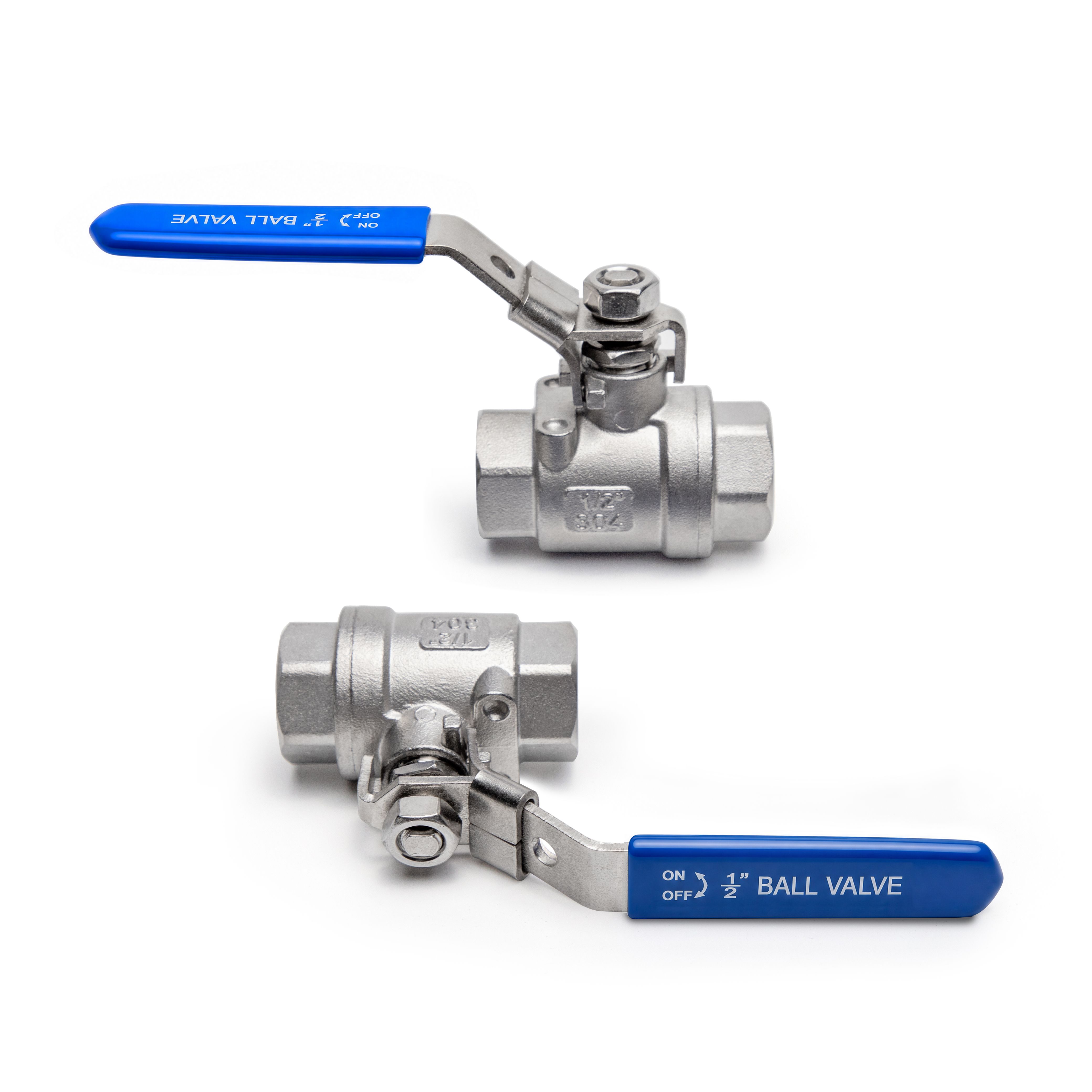
The 1° 47' taper isn't a random choice—it matches the angle used in NPT threads and creates a wedging action as the fitting draws tight. That shallow slope means the male and female surfaces don't just butt together; they press into each other along a gradually narrowing spiral, closing off any path that fluid could follow.
Because the taper angle is so slight, the contact pressure builds evenly instead of concentrating at a single point. Metal or polymer surfaces deform just enough to fill microscopic gaps, forming a continuous seal around the full circumference. There's no need to rely on a separate gasket or heavy thread compound to make the joint tight.
The result is a connection that holds under vibration, temperature shifts, and repeated pressure cycles. Once seated, the 1° 47' taper leaves virtually no clearance for leaks to start—and no easy way for them to develop later.
How Round Is the Ball Cavity After CNC Boring
CNC boring can produce a ball cavity with roundness errors usually in the range of 0.005 mm to 0.02 mm for well-set-up machines. The actual value depends on spindle runout, boring bar stiffness, and how evenly the cutting load varies around the interrupted cut near the cavity's opening.
Material springback and thermal growth during the cut tend to distort the bore more than people expect, especially in aluminum or thin-walled housings. A semi-finish pass followed by a light finish cut at constant feed keeps the circle closer to nominal, but it won't eliminate lobing from harmonic vibration.
Checking the cavity with a CMM or a high-resolution bore gauge usually reveals three- or five-lobe patterns rather than a simple oval. If roundness under 0.01 mm is required, a final honing or ball burnishing step is more reliable than boring alone.
Hand Assembly Steps That Give Each Stem Its Feel
The feel of a stem doesn't come from a single dramatic gesture—it's built up through quiet, deliberate hand work that most factories skip. We start by threading each valve core in by hand, backing it off a quarter turn when the resistance changes, then snugging it again with a short-handled wrench. That pause lets the threads seat without galling, which is why the action feels buttery rather than sticky.
Next, the spring gets set against a brass washer that's been lapped on a granite plate, not stamped. You'd notice it only when you push the stem down slowly: there's a faint, even resistance that holds from top to bottom, no dead spot in the middle. We seat the bonnet with three fingers on the wrench, never a power tool, so the packing compresses just enough to seal but still lets the stem glide.
Finally, every assembled stem is cycled twenty times by hand before it leaves the bench. Any grittiness gets traced back—usually a burr on the seat or a spring that's a hair too long—and corrected on the spot. That's the step that gives each stem its own character: two that look identical might feel slightly different depending on how the brass settled that day, but both feel alive under your thumb.
Air Under Water and the Tiny Bubbles That Fail Valves
Even a well-designed valve can be undone by something as small as a few hundred microns. When air becomes trapped beneath water, it doesn't always gather in large, obvious pockets. More often it breaks into clouds of microbubbles that cling to metal seats, lodge in tight clearances, or ride along the boundary layer near a closing disc. These tiny bubbles compress under pressure, then collapse violently as the valve closes, hammering the surface with enough force to erode hardened alloys over time.
The real trouble starts when the bubbles refuse to move. In low-flow or dead-leg sections, dissolved gases come out of solution and accumulate in the exact spots where sealing depends on smooth, continuous contact. Each cycle turns those trapped bubbles into tiny pressure spikes. The pitting that follows looks like corrosion, but it is mechanical damage, and it often shows up first on the underside of the seat where visual inspection rarely reaches. By the time leakage is detected, the valve face is already riddled with microscopic craters.
Washing, Drying, and Boxing Without Adding a Scratch
Every surface here gets treated like it’s already finished. The wash step uses a low-pressure rinse with filtered water and a mild, non-ionic detergent that lifts particles without any abrasive contact. Brushes are out of the question—only soft, lint-free cloths or an automated spray bar that never touches the part. After the rinse, a second pass with deionized water removes any residue that could dry into a spot or, worse, get dragged across the surface later.
Drying relies on a clean-room-grade air knife that blows warm, HEPA-filtered air across each piece from multiple angles. There’s no wiping, no rubbing. Once dry, the part moves straight into a boxing area kept under positive pressure so dust doesn’t drift in from the rest of the floor. Operators wear nitrile gloves and set each item into a custom-cut foam cavity that holds it still without any side-to-side movement. The box itself is lined with a soft, non-shedding film before the lid goes on, and a final visual check under angled light confirms there’s not a single new mark before the tape is pressed down.
FAQ
Most reputable factories stick with forged brass, 316 stainless steel, or carbon steel depending on the service. The choice usually comes down to pressure rating, corrosion resistance, and whether the valve will handle potable water or harsh chemicals.
Leak prevention starts with careful control of the thread geometry and seat compression. Finished valves are commonly pressurized with air or water at 1.5 times their rated working pressure and checked at both the stem and body joints for bubbles or pressure drop.
Every batch typically undergoes shell and seat leak tests, often using dry nitrogen or water. Some factories also run random burst tests and cycle tests to confirm the handle and stem hold up over thousands of operations.
NPT threads create a mechanical wedge that tightens as you torque the fitting, which helps seal without needing a gasket. Getting the taper angle and thread depth right is critical—too shallow and you get leaks, too deep and you risk cracking the female port.
The ball is usually ground or lapped to a roundness within a few microns, then matched with PTFE or reinforced seats. Some shops use automated optical inspection to check for scratches or out-of-round spots that would tear the seat over time.
Assembly areas are kept clean and often segregated from machining dust. Workers wear gloves, and internal parts are blown off with filtered air or washed before the ball and stem go in, so no metal chips or debris get trapped against the seats.
Quality factories keep a heat number or lot code that follows the raw bar stock all the way to the finished valve. That way if a material issue shows up later, they can trace which batch of valves used that particular pour or extrusion.
You mainly see it in smooth handle action, consistent thread depth, and a seat that doesn't develop a steady weep after a few cycles. A well-made NPT ball valve also comes with material test reports and a clear pressure rating marked on the body, while cheap versions often skip those details.
Conclusion
At the start of the line, brass stock isn't simply fed into machines. The raw pile gets sorted long before any tool touches metal, separating alloys and checking for surface flaws that could compromise threading later. Once a bar is chosen, cutting begins with a 1° 47' taper ground into the ball seat. That fractional angle is the reason an NPT joint stays dry under pressure—it matches the pipe thread standard so closely that even a slight mismatch would invite a slow leak. After the body is machined, the ball cavity is bored on a CNC, then checked with an air gauge or dial indicator to confirm roundness within a few microns. Any ovality here would cause uneven wear and early failure, so the measurement isn't optional.
Assembly is just as deliberate. Instead of torqueing stems to a fixed number and moving on, workers fit each stem by hand, rotating it in the packing until the resistance feels consistent—too loose and the handle wobbles, too tight and it binds. Then comes the leak test that separates good valves from scrap: each unit is pressurized with air while submerged in water, and the operator watches for tiny bubbles. Even a single bubble trail means a void in a seal or a scratch on the ball surface. Finally, the valves are washed, dried, and boxed in foam-lined trays that protect the finish from the first handling to the warehouse shelf. No buffing compound, no fingerprints, no scratches—because at this point, the valve's reputation is already on the line.
Contact Us
Contact Person: Adonis
Email: [email protected]
Tel/WhatsApp: 8615858822657
Website: https://www.uptaivalve.com