

Flat and Profiled Wire Rolling Mills Solutions: Enhancing Efficiency and Precision in Metal Forming
2026-01-22
In the ever-evolving world of metal forming, achieving peak efficiency and precision is paramount. Whether you're producing flat or profiled wire, the right rolling mill can transform your operations. At GRM, we specialize in innovative solutions that push the boundaries of what's possible. Our advanced rolling mills are engineered to enhance output, reduce waste, and deliver consistent quality—making complex metal shaping simpler than ever. In this blog, we'll explore how cutting-edge technology can streamline your processes. Ready to revolutionize your production? Let's dive in.
Innovative Designs for Precision Wire Rolling in Metalworking
In the realm of metalworking, precision wire rolling has evolved from a basic forming process into a sophisticated art, driven by cutting-edge designs that enhance accuracy and efficiency. Modern equipment incorporates advanced features such as multi-roller configurations and computer-controlled tension systems, which allow for tighter tolerances and reduced material waste. Innovations like adaptive feed mechanisms and real-time monitoring sensors ensure consistent wire dimensions, even under varying production conditions, making these designs indispensable for industries demanding high-quality outputs, from electronics to automotive manufacturing.
Beyond mere automation, the latest designs in precision wire rolling focus on material-specific adaptations, such as specialized roller surfaces and temperature control units that manage heat distribution during rolling. These advancements prevent defects like micro-cracking or uneven grain structure, which can compromise wire integrity. By integrating smart technologies, manufacturers can now predict maintenance needs and optimize rolling parameters on the fly, leading to longer machine lifespans and minimal downtime, ultimately redefining reliability in wire production processes.
Moreover, innovative designs emphasize sustainability and customization, with modular setups that allow quick adjustments for different wire types and eco-friendly practices like energy-efficient drives and recyclable lubricants. This flexibility empowers manufacturers to cater to niche markets, from fine wires for medical devices to robust cables for construction, fostering a competitive edge in an ever-evolving metalworking landscape.
Boosting Productivity with Advanced Flat Wire Mill Technology
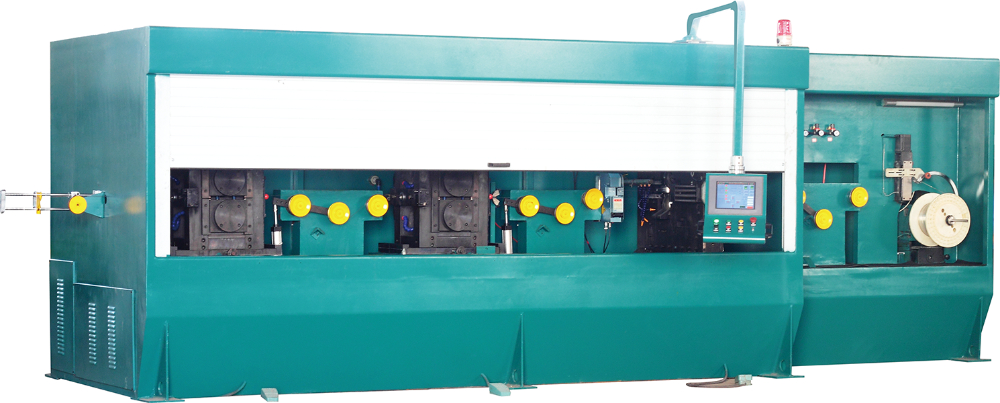
In today's competitive industrial landscape, achieving higher productivity isn't just about working harder—it's about leveraging cutting-edge technologies that streamline processes and enhance output quality. Advanced flat wire mill technology plays a pivotal role in this transformation, offering manufacturers the tools to produce flat wire with greater precision and efficiency. By integrating automated systems, real-time monitoring, and sophisticated control mechanisms, these mills reduce downtime, minimize waste, and accelerate production cycles, ultimately driving significant gains in overall operational productivity.
What sets modern flat wire mills apart from their predecessors is their ability to adapt to diverse material specifications and customer demands with remarkable agility. Through innovations like high-speed rolling mechanisms, advanced cooling systems, and AI-driven predictive maintenance, these mills can handle a wide range of alloys and thicknesses without compromising on consistency or speed. This flexibility not only boosts output rates but also allows manufacturers to tackle specialized projects more effectively, giving them a competitive edge in markets where customization and rapid turnaround are key.
Beyond mere speed, advanced flat wire mill technology contributes to sustainable productivity by enhancing material utilization and reducing energy consumption. With features like precision tension control and optimized annealing processes, these mills ensure that every inch of wire meets stringent quality standards while lowering operational costs. This holistic approach means that companies can scale their production sustainably, supporting long-term growth and meeting the evolving needs of industries from automotive to electronics, where reliable, high-performance flat wire is essential.
Tailored Solutions for Enhanced Accuracy in Profiled Wire Production
In today's competitive manufacturing landscape, achieving unparalleled accuracy in profiled wire production isn't just a goal—it's a necessity. Our tailored solutions focus on the specific challenges faced during the shaping and finishing stages, where even minor deviations can lead to costly rejections. By integrating advanced sensors and real-time monitoring systems, we ensure that every twist, bend, and cut meets exact specifications, eliminating guesswork and boosting overall efficiency on the production floor.
What sets our approach apart is the deep customization that adapts to unique material behaviors and operational environments. Rather than off-the-shelf fixes, we develop bespoke algorithms and tooling adjustments that respond dynamically to variables like temperature fluctuations and alloy composition. This proactive stance not only sharpens precision but also extends the lifespan of machinery, reducing downtime and maintenance expenses for manufacturers who demand consistent, high-quality outputs.
Beyond technical refinements, our solutions emphasize hands-on collaboration with engineering teams to fine-tune processes based on real-world feedback. This iterative method ensures that accuracy improvements are sustainable and scalable, helping clients stay ahead in industries from automotive to electronics. By prioritizing precision without compromising speed, we deliver a balanced edge that turns complex wire profiles into reliable, market-ready products.
Streamlining Operations to Maximize Efficiency in Rolling Mills
At the core of any high-performing rolling mill is a relentless focus on fine-tuning operational workflows. It's not just about speeding up the process; it's about eliminating inefficiencies that creep in over time. By integrating advanced process controls and real-time monitoring systems, operators can swiftly detect anomalies, adjust parameters on the fly, and minimize downtime. This proactive approach transforms production lines from reactive to predictive, ensuring that every roll of metal meets precise specifications without unnecessary delays or waste.
Beyond technology, maximizing efficiency hinges on a holistic view that includes workforce optimization and lean manufacturing principles. Training personnel to adeptly manage automated systems and fostering a culture of continuous improvement can lead to significant gains in throughput. For instance, implementing structured maintenance schedules and cross-functional teams reduces bottlenecks and enhances overall equipment effectiveness (OEE), creating a more agile and responsive environment that adapts to market demands seamlessly.
Ultimately, streamlining operations in rolling mills translates into tangible benefits like reduced energy consumption and lower operational costs. By leveraging data analytics to identify patterns and optimize resource allocation, companies can achieve a competitive edge. This strategic focus on efficiency not only boosts productivity but also contributes to sustainability efforts, making the mill a smarter, more resilient asset in an ever-evolving industry landscape.
Cutting-Edge Techniques for Superior Metal Forming Results
Recent advances in metal forming are revolutionizing how manufacturers achieve precision and efficiency. Techniques like incremental sheet forming allow for highly customized, low-volume production without the need for expensive dies, making it ideal for prototyping and specialized applications. Meanwhile, electromagnetic forming uses pulsed magnetic fields to shape metals at high speeds, reducing wear on tools and enabling complex geometries that traditional methods struggle with. These innovations not only cut costs but also open up new possibilities in aerospace, automotive, and medical industries.
Another key development is the integration of real-time monitoring and adaptive control systems into metal forming processes. Sensors embedded in machinery can detect variations in material properties or environmental conditions, automatically adjusting parameters like pressure or temperature to maintain consistency. This approach minimizes defects such as cracking or warping, ensuring higher quality outcomes. By leveraging data analytics, manufacturers can predict equipment maintenance needs, further boosting productivity and reducing downtime in high-stakes operations.
In addition, additive manufacturing techniques are being combined with traditional metal forming to create hybrid processes. For example, 3D printing can produce intricate preforms that are then finished with hot isostatic pressing or forging, enhancing strength and reducing material waste. This synergy allows for lighter, more durable components that meet stringent performance standards. As these methods evolve, they're setting new benchmarks for durability and sustainability, making metal forming more versatile than ever in a competitive global market.
Customizable Approaches for Diverse Industrial Wire Applications
In today's fast-paced industrial landscape, the one-size-fits-all approach to wiring solutions often falls short. That's why customizable methods are gaining traction, offering tailored designs that meet specific operational demands. From high-temperature environments in automotive manufacturing to corrosive conditions in marine settings, these flexible approaches ensure wires perform reliably under unique stresses. By integrating advanced materials and precise engineering, industries can now achieve enhanced durability and efficiency, reducing downtime and maintenance costs significantly.
A key aspect of this customization lies in the ability to adapt wire configurations for varied applications, such as automation systems or renewable energy installations. For instance, in robotics, wires may require enhanced flexibility and electromagnetic shielding to prevent interference. Meanwhile, in solar farms, resistance to UV exposure and weather extremes becomes crucial. By leveraging modular designs and scalable solutions, companies can streamline their supply chains and respond quicker to market changes. This adaptability not only boosts performance but also fosters innovation across sectors like aerospace and telecommunications.
Ultimately, these customizable strategies empower industries to future-proof their infrastructure in an ever-evolving tech world. By focusing on bespoke wiring that aligns with specific challenges—whether it's data transmission speeds in IT or safety standards in hazardous zones—businesses can drive operational excellence. This hands-on, solution-oriented mindset encourages continuous improvement, ensuring that wire applications remain robust and relevant as new industrial trends emerge.
FAQ
Flat and Profiled Wire Rolling Mills offer enhanced efficiency and precision, reducing material waste and ensuring consistent product quality, which is crucial for high-demand industries like automotive and construction.
They streamline metal forming by allowing for continuous, automated rolling of complex shapes, speeding up production cycles and lowering operational costs compared to traditional methods.
These mills are versatile and can handle various metals, including steel, aluminum, copper, and alloys, making them suitable for a wide range of applications from wires to structural components.
Yes, they are often designed with modular components and adjustable settings, enabling customization for different wire profiles, thicknesses, and production volumes to meet unique client requirements.
Advances in digital control systems, real-time monitoring sensors, and AI-driven optimization are pushing these mills toward greater automation, energy efficiency, and reduced downtime.
Through precise mechanical adjustments, advanced calibration techniques, and integrated quality checks, these mills maintain tight tolerances and uniform cross-sections across batches.
Regular inspections, lubrication of moving parts, and software updates for control systems help minimize wear and prevent breakdowns, ensuring long-term reliability and consistent output.
By improving material utilization and reducing scrap, these mills contribute to more sustainable manufacturing processes, often aligning with eco-friendly initiatives and lower energy consumption standards.
Conclusion
Innovative designs in precision wire rolling mills are revolutionizing metalworking by integrating cutting-edge techniques that enhance both efficiency and accuracy. These advanced systems, particularly in flat wire mill technology, streamline operations to maximize productivity while maintaining superior metal forming results. By focusing on tailored solutions for profiled wire production, manufacturers can achieve enhanced precision, reducing waste and improving overall output quality. The ability to customize approaches for diverse industrial applications ensures that these mills meet specific industry demands, from automotive to construction, making them versatile tools in modern manufacturing.
In practice, these mills boost productivity by leveraging streamlined processes that minimize downtime and optimize resource use. This leads to significant improvements in operational efficiency, directly contributing to cost savings and faster production cycles. The integration of advanced technologies allows for real-time monitoring and adjustments, ensuring consistent quality across batches. Ultimately, by combining innovative designs with customizable features, flat and profiled wire rolling mills set new standards in metal forming, empowering industries to achieve higher precision and reliability in their products while adapting to evolving market needs.
Contact Us
Contact Person: Rayna
Email: [email protected]
Tel/WhatsApp: 86 -173 1474 6343
Website: https://www.grmrollingmill.com/