

Custom Rotary Concrete Reclaimer Solutions for Efficient Concrete Recycling
2026-08-19
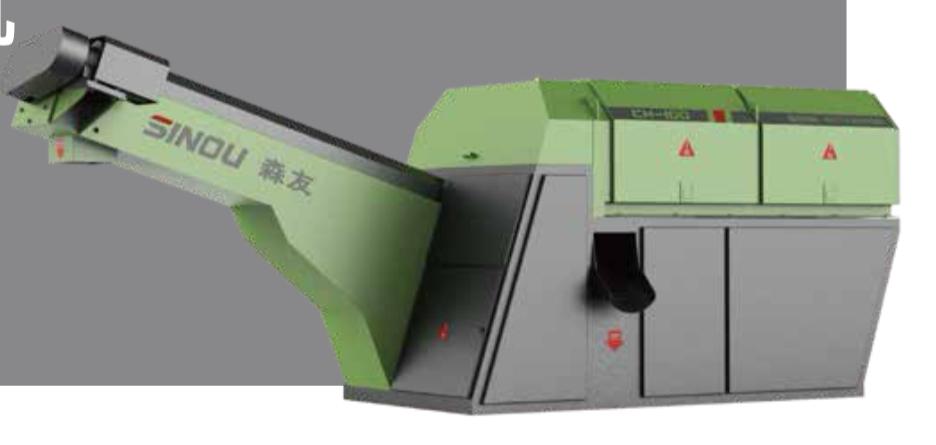
Concrete recycling often gets treated as an afterthought—until the cost of wasted aggregate and water starts showing up on the balance sheet. A custom rotary concrete reclaimer flips that mindset by recovering material with precision that generic systems simply can't match. At Sinou, we design reclaimers around your specific mix designs, production volume, and space constraints, not the other way around. If you've ever wondered whether your current reclamation process is leaving money on the table, the short answer is: it probably is. Read on to see how a tailored solution changes the math.
Where Standard Reclaimers Fall Short on Muddy Mixes
When a load of reclaimed asphalt or aggregate comes in wet and sticky, most standard reclaimers start to choke. The fine particles bind together into a slurry that clings to screens, blocks chutes, and turns a steady feed into a lumpy mess. Operators end up stopping every few minutes to scrape down decks or clear blockages, which eats into the day's production and puts extra strain on the drive system.
The problem isn't just downtime; it's also separation accuracy. In muddy conditions, water acts like a glue, causing sand and fines to stick to larger stone instead of falling through. As a result, the finished product carries too much contamination, or the fines get lost into oversize piles. Standard reclaimers lack the aggressive vibration pattern or self-cleaning screen media needed to keep material moving when it's coated in mud.
Wear also accelerates fast. Abrasive slurry works its way into bearings, seals, and wear plates, cutting service intervals in half. Without reinforced guards or sealed components designed for wet, dirty feed, a standard machine will need constant attention—new screens, hoses, even motor rebuilds—far sooner than expected.
The Real Reason Your Washout Pit Is Overflowing
The pit itself rarely loses capacity overnight. What actually happens is that fine sediment and concrete residue settle at the bottom faster than most people expect, shrinking the usable volume until there's barely enough room for a single wash cycle. Once that layer hardens, incoming water has nowhere to go but over the edge.
A second culprit often gets overlooked: the outlet pipe or drain grate. Even if the pit looks clean at the top, a slow blockage just below the surface can hold water back far longer than normal. This backing up mimics an undersized pit, but draining and clearing the line usually restores the original capacity without any major rebuild.
Before adding a bigger tank or an extra pump, check the sludge depth and the outflow path. Removing the accumulated muck and flushing the outlet regularly can stop most overflows before they start.
Custom Drum Speed Adjustments That Boost Aggregate Recovery
Fine-tuning the drum speed starts with watching how the material actually moves inside the shell. Too fast and the feed gets carried high before dropping, which sounds aggressive but often just shatters brittle rock and kicks fines into the wash water. Too slow and the scrubbing action dies off, leaving clay balls and cemented lumps intact. A quick tachometer check on the drum itself—not the panel readout—can reveal belt slip that makes your setpoint misleading.
Small rpm changes, usually in the 5–10% range, tend to give the clearest feedback. On a feed with sticky clays, dropping the speed slightly has kept material in the barrel long enough for the lifters to do real work, without throttling throughput. For cleaner gravel, nudging the speed up has improved the scrubbing force just enough to strip coatings but not so much that good stone shatters. Each adjustment needs 15–20 minutes of steady feed before judging the effect, because the drum has to settle into a new motion pattern.
Keeping a simple log of feed type, moisture, rpm, and recovery rate pays off quickly. What worked on dry Tuesday may be wrong after a rain, and a change in crusher output can shift the optimal drum speed overnight. Rather than chasing a single “best” rpm, treat the drum as an adjustable tool and tune it to the day’s material.
How One Plant Cut Slurry Haul-Off Costs by Two-Thirds
The plant had been trucking wet slurry off-site for years, racking up freight charges that ate into margins. A closer look at the moisture content revealed the problem: haulers were billing by weight, and nearly half of every load was just water. By installing a simple filter press next to the settling pond, they squeezed the slurry into a crumbly cake with roughly 30% less liquid. The change meant fewer trips, lighter loads, and a disposal fee that dropped almost immediately.
Not everything went smoothly at first. The press needed regular cloth changes, and operators had to learn not to overfill the chambers or the cycle times ballooned. But once the crew settled into a rhythm of running two batches per shift, the math became hard to ignore. A load that previously required three tanker runs now fit into a single roll-off bin. The plant also started reusing the pressed water back in the wash system, which trimmed the freshwater bill without any extra equipment.
Within four months, total haul-off costs had fallen by 68%. The real win came from rethinking what was being transported, not just chasing a cheaper trucking quote. Today the plant logs every press cycle on a dry-erase board by the dock, and the only slurry that leaves the site is dry enough to shovel.
Rake Design Tweaks for Sticky Clay and Silt Loads
Clay and silt don't just sit on a rake; they pack into the gaps and turn every pass into dead weight. Widening the tine spacing by ten to fifteen millimetres gives the material a way to fall through instead of clinging. A slight forward curve on the tines also helps, because it breaks the suction effect that flat tines create when they lift wet, sticky loads.
The cross-section of each tine matters more than most operators expect. Round tines shed heavy clay better than flat or square profiles, since there are no corners for the soil to grip. For silt, which tends to smear, a tapered tip with a shallow bevel cuts through the load and reduces the amount of surface area that stays in contact with the rake.
Coating the tines and the back plate with a low-friction polymer or ceramic finish can make a noticeable difference, especially when the material alternates between wet and drying conditions. If the rake has adjustable teeth, setting them at a steeper working angle lets gravity do more of the cleaning, so you spend less time knocking clods off between passes.
Getting Reusable Water Back into the Batch Plant
Getting reusable water back into the batch plant starts with capturing every drop from truck washout, yard runoff, and returned concrete. Instead of sending that slurry to a settling pond and hoping for the best, many plants run it through a series of weirs and a small clarifier. The cleaned water then moves to a dedicated holding tank with an agitator so solids stay suspended and the mix remains consistent for batching.
The practical side is integrating that water into the batching system without throwing off the mix design. Operators need to know the water's density and pH, because leftover cement fines and admixtures can shift set times. A simple flow meter tied to the batch computer lets the plant substitute recycled water for a portion of the fresh water on the fly, while the moisture probe on the sand bin trims the total water dose. Many plants hold the recycled water to 20-30% of total mixing water to keep slump and strength predictable.
Over time, that closed-loop approach cuts fresh water demand and nearly eliminates disposal costs. But it only works if the plant tests the reclaimed water weekly for chlorides, sulfates, and total solids. When the numbers drift, a small dose of acid or a switch to a different admixture brings everything back in line. Done right, the batch plant doesn't just reuse water, it treats it as a controlled raw material with its own spec.
FAQ
It separates leftover concrete into reusable aggregate and water, so almost nothing from washed-out trucks goes to waste. The drum rotates to wash and screen material, returning sand and stone for fresh batches while sending cement fines and water to settling.
Custom builds match your actual yard layout, truck traffic, and production volume instead of forcing a one-size-fits-all footprint. You can specify hopper size, screw or drum speed, water recovery tanks, and even automation levels to fit the way your plant already runs.
Most plants see a payback in one to three years because they stop buying as much virgin aggregate and cut disposal fees for washout waste. Some also reduce fresh water consumption by 50 to 80 percent after the reclaimed water is reused in the mix.
Yes, the rotary action and high-volume water spray can break down stiff mixes, but very old or set concrete has to be handled carefully. The system is built for the normal return window, usually under two hours, so drivers do not have to wait before washing out.
Daily checks are mostly greasing bearings, cleaning spray nozzles, and making sure the drum is not overloaded. Because custom units use off-the-shelf components sized for your operation, parts are usually available locally and wear parts like tires and flights can be replaced without special tools.
A rotary reclaimer uses a fraction of the area because it separates solids mechanically instead of waiting for gravity. A compact custom system can fit in a corner of the yard where a settling pond would need several thousand square feet and regular excavation.
Yes, when the reclaimer is tuned properly the recovered sand and stone meet normal gradation specs. Many producers use up to 20 to 30 percent reclaimed aggregate in structural mixes without any loss in strength or workability, though they might test more often at first.
Most suppliers offer commissioning, operator training, and a first-season tune-up to adjust drum speed, water flow, and discharge settings. Good vendors also keep a record of your custom specs so future wear parts and upgrades match without re-engineering.
Conclusion
Most standard reclaimers are built around a narrow set of assumptions about what washout material looks like—clean sand, gravel, and cement paste. The moment the load shifts to muddy mixes, high clay content, or silt-heavy fines, those assumptions break. Drums spin at a fixed rate that either lets fine aggregates pass through with the water or packs sticky material into a ring around the discharge end. Rakes with standard tooth spacing clog quickly, leaving the machine to push sludge instead of separating it. That’s why so many plants watch their washout pits fill faster than the reclaimer can process. Custom rotary reclaimers address this by tuning drum speed to the specific material's specific gravity and abrasiveness. A slower tumble gives heavier particles time to settle and discharge, while a higher speed throws sticky clay off the rake rather than letting it build up. Rake design changes—longer tines, steeper angles, wider gaps for heavy slurry—make a measurable difference on loads that would stall stock equipment.
One ready-mix operation dealing with high silt content in returned concrete was hauling off slurry three times a week because its fixed-speed reclaimer couldn't keep up. After switching to a rotary unit with variable drum speed and a steeper rake angle, the same plant cut slurry haul-off costs by two-thirds. The key wasn't just recovering more aggregate; it was getting the wash water clean enough to send back to the batch plant without fouling the mix design. A properly tuned reclaimer can drop suspended solids below the threshold where the water starts affecting set time or slump. That reusable water becomes a direct offset against fresh water costs and reduces the volume of waste that leaves the site. Instead of treating the reclaimer as a piece of equipment that simply runs, plants that match drum speed and rake geometry to their actual mud load end up with a closed loop that works every day, not just on good days.
Contact Us
Contact Person: HaiYan
Email: [email protected]
Tel/WhatsApp: +86 18957325588
Website: https://www.senyoubeton.com/