
China Tug Boat Operations and Industry Overview
2026-11-02
Ever wondered how the world's largest ports manage to keep thousands of vessels moving in and out every day? The unsung heroes are the tug boats that operate around the clock in China's bustling harbors. In this post, we dive into the operations and industry landscape of China's tug boat sector—covering everything from fleet management to emerging technologies. Join Allheart as we explore the vital role these powerful vessels play in global trade.
How China’s Tug Fleets Keep Mega-Ports Moving
At Ningbo-Zhoushan, the world's busiest port by cargo tonnage, a single ultra-large container vessel can require four or five tugs working in tight coordination just to nudge it into a berth. Chinese tug fleets have evolved from simple harbor workhorses into highly specialized maneuvering units, each assigned based on bollard pull, draft, and the specific geometry of a berth pocket. Port operators now treat tug allocation as a real-time optimization problem, not a routine dispatch.
What sets many Chinese mega-ports apart is the shift toward electrified and azimuth-stern-drive tugs. For instance, the Shanghai Yangshan deep-water port runs a growing number of battery-hybrid tugs that can hold station silently outside a terminal while waiting for the next assignment, then deliver full torque almost instantly. These vessels are tied into port-wide digital twin systems, so a tug's exact position and fuel state feed directly into the same platform that coordinates crane moves and truck queues.
Crewing also plays an underappreciated role. Unlike some older fleets where tugs idle for hours, Chinese operators often rotate crews in split shifts matched to tidal windows and arrival clusters. A single tug might handle six or seven escort jobs in a shift, each requiring a slightly different line configuration and approach angle. That kind of tempo demands deckhands who can read a pilot's intentions from subtle engine cues, a skill built through years of repetitive but not identical work in the same busy fairways.
From Harbor Assist to Deep-Sea Salvage: The Expanding Role of Tugs
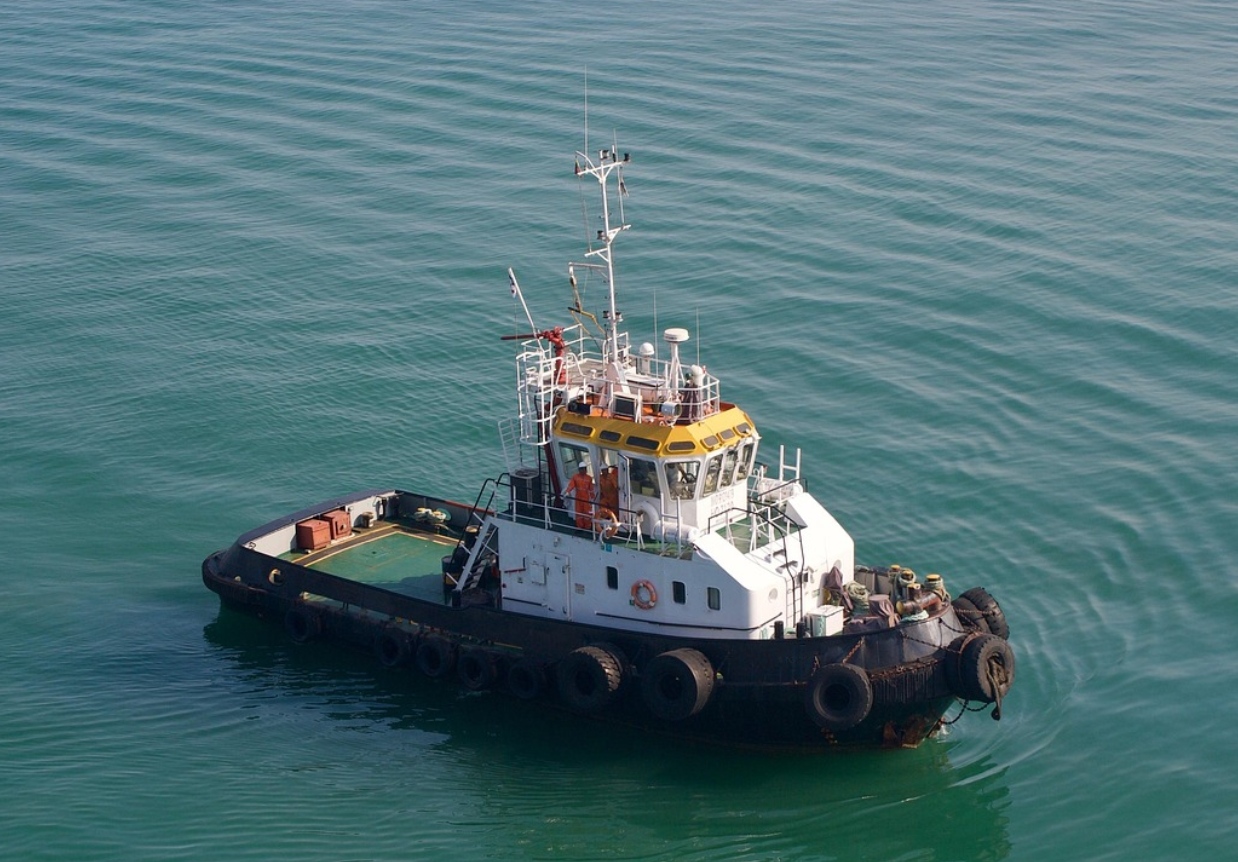
Tugs have long been the unsung workhorses of maritime operations, but their traditional harbor duties barely scratch the surface of what modern vessels can achieve. While ship assist and berthing remain core functions, the same hull designs and propulsion systems that nudge massive container ships into tight slips are increasingly being pushed into open ocean environments. The evolution isn't just about bigger engines or stronger winches—it's a fundamental shift in how the industry views these compact powerhouses. From anchor handling in remote oil fields to emergency response in storm-battered seas, the line between harbor tug and deep-sea salvage vessel has blurred beyond recognition.
Deep-sea salvage demands capabilities that go far beyond the protected waters of a port. A tug tasked with towing a disabled bulk carrier across the North Atlantic must handle dynamic loads, sustained sea states, and the relentless fatigue of long-distance passage. Many operators now equip their fleets with dynamic positioning, towing pins that can release under extreme stress, and accommodation blocks for extended crew rotations. Meanwhile, specialized salvage tugs carry firefighting monitors, oil spill containment gear, and diving support systems—features once reserved for dedicated offshore construction vessels. This cross-pollination of technology means a single tug can transition from routine ship assist in Rotterdam to emergency wreck removal off the coast of West Africa without returning to port for major modifications.
The economic drivers behind this expansion are just as compelling as the technical ones. Port congestion and larger vessel sizes have reduced the number of tugs needed for traditional harbor work in some regions, pushing owners to seek higher-margin contracts in the offshore and salvage sectors. At the same time, underwriters and coastal states increasingly demand rapid response capabilities for grounded or drifting ships, creating a steady market for tugs that can operate far from sheltered anchorages. What emerges is a new class of vessel—not quite a tug, not quite an offshore supply ship—that embodies a pragmatic response to a changing maritime risk landscape. The question is no longer whether tugs can handle deep-sea work, but how far their expanding role will ultimately reach.
Green Tugs on the Yangtze: LNG, Electric, and Hybrid Shifts
Along the busy middle and lower reaches of the Yangtze, a quiet transformation is reshaping the workhorse vessels that guide cargo ships through narrow channels and crowded anchorages. Traditional diesel-powered tugs, long associated with plumes of black smoke and rumbling engines, are gradually giving way to cleaner alternatives. Shipyards in Wuhan and Nantong have started delivering tugs powered by liquefied natural gas, while smaller battery-electric units now handle short-haul assist duties in ports like Nanjing and Taicang. The switch is not merely cosmetic—it reduces sulfur and particulate emissions in a region where river traffic density has outpaced shore-side emission controls for years.
Hybrid propulsion is taking hold where full electrification falls short. A new class of tugs combines medium-speed diesel generators with lithium-ion battery banks, allowing them to operate in zero-emission mode while maneuvering inside harbors or during standby, then switch to hybrid mode for long-distance towing. One operator on the Wuhan–Shanghai corridor reports that hybrid tugs cut fuel consumption by roughly 18 percent during typical assist cycles, with the added benefit of lower engine maintenance hours. The batteries also enable silent nighttime operations near residential riverfronts, a welcome change for communities that have long complained about idling engine noise.
Regulatory pressure and port incentives are accelerating the shift. The Yangtze River Administration now requires newly built government-funded tugs to meet Tier III emission standards, pushing shipowners toward LNG or electric options even when upfront costs remain higher. Private terminal operators have begun offering reduced berthing fees for tugs that log zero-emission hours, and at least two LNG bunkering barges now operate full-time near the Jiangyin and Zhenjiang anchorages. Still, barriers persist: battery range drops sharply in strong currents, and LNG refueling infrastructure remains sparse above Yichang. For now, the most practical path forward appears to be a mix—LNG for long-haul, electric for short hops, and hybrid for the in-between work that defines life on the river.
Inside the Control Room: Tech Driving Smarter Towage
At first glance, the towage control room looks like any other operations hub—banks of monitors, muted phone chatter, the low hum of servers. But the real shift is happening in the data streaming across those screens. Instead of relying on paper tide tables and manual radio check-ins, controllers now watch live AIS positions, engine load readouts, and weather overlays all layered onto a single chart. A tug’s bollard pull is no longer a static number in a manual; it’s recalculated constantly against current, wind, and hull condition.
One of the quietest breakthroughs sits in the corner: a predictive maintenance feed that flags subtle changes in winch hydraulic pressure before a deckhand would ever notice. Another screen tracks towline tension second by second, comparing it against the expected envelope for the job. When the numbers drift, the system doesn’t sound an alarm—it just nudges the controller, who can radio the tug and adjust the plan mid-manoeuvre.
That fusion of experienced eyes and real-time telemetry is what makes the operation feel less reactive and more deliberate. Fewer unnecessary tug movements mean lower fuel burn and less noise in the port. And for the crews out on the water, it means positions are assigned with a clarity that used to take half a dozen phone calls to achieve.
Congestion, Typhoons, and Tight Schedules: Operational Realities
At major hub ports, congestion is not an occasional disruption but a constant background pressure. Vessels arrive in clusters after weather delays or schedule slips, and the yard fills with containers that cannot move fast enough. Empty equipment sits buried, gate queues stretch past shift changes, and terminal planners juggle berth windows that rarely match the original booking. The result is a daily negotiation between marine operations, stevedores, and trucking dispatch, often settled by re-sequencing discharge lists or holding cargo on the water for an extra tide.
Typhoon season strips away whatever slack remains in the system. A single storm can close breakwaters, suspend pilotage, or force ships to ride out swells at anchorage rather than enter the fairway. Even after the wind drops, port recovery follows its own rhythm: damaged mooring lines, flooded container stacks, and delayed barge feeder services all eat into the same finite hours. Masters learn to treat typhoon alerts as provisional schedule markers, not fixed promises, and shore teams pre-book tug escorts knowing half will be stood down.
Tight schedules then compound both problems. A vessel held outside the breakwater for twelve hours misses its berthing window, which pushes the next call to the wrong tide, which delays a coastal connection that already has no buffer. Demurrage and detention clocks start ticking before cargo is even discharged, and customers upstream begin adjusting their own production plans. In practice, operational reality means accepting that the schedule is a reference point, not a commitment, and building recovery time into every handoff from pilot station to quay crane.
Coastal Clusters and Specialized Fleets: Mapping the Industry
Coastal clusters rarely appear by accident. They grow where shelter, depth, and road or rail access overlap, and they harden over time into places with their own rhythms. A harbor known for handling frozen groundfish will develop different berthing layouts, auction halls, and ice plants than one serving offshore wind crews, even if both sit a few hundred miles apart on the same coastline.
The fleets that work out of these clusters are equally specific. A scallop boat built for Georges Bank carries different deck gear and outriggers than a Gulf of Mexico liftboat or a North Sea standby vessel. Mapping the industry means recognizing that “fleet” is not one category but dozens of small, specialized toolkits shaped by local currents, bottom type, and what buyers within trucking distance actually pay for.
Once those patterns are charted, the dependencies become visible. Engine shops, net lofts, survey offices, and crew agencies tend to sit near the docks that need them most, reinforcing the cluster’s pull. Ports that lose one specialized fleet often find the related trades thin out soon after, even if total vessel counts look steady on paper.
FAQ
China's tug sector is shaped by an unusually dense mix of international hub ports, long inland waterways, and state-backed port groups. Vessels often have to handle ultra-large container ships while also serving river barges, which pushes operators toward flexible designs and round-the-clock crewing models.
The shift from conventional shaft-driven tugs to azimuth stern drive and cycloidal propulsion has been decisive. Newer deliveries increasingly feature hybrid or LNG-capable systems, especially in emission control zones around the Yangtze Delta and Bohai Bay, reflecting both regulatory pressure and lower fuel-cost expectations over the hull's life.
Most major towage services are integrated into port authorities or their affiliated state enterprises, which centralizes dispatch and standardizes training. This structure allows rapid deployment during peak seasons but also means private operators usually compete only in niche segments like ship-assist work at smaller private terminals.
The busiest areas are the Bohai Rim, the Yangtze River Delta, and the Pearl River Delta. Ningbo-Zhoushan, Shanghai, and Shenzhen account for a large share of calls because they combine deep-water container berths, bulk terminals, and petrochemical jetties, each requiring different bollard pull profiles and maneuverability.
China's domestic emission standards for port machinery have tightened since the early 2020s, nudging operators toward Tier III engines, shore-power connections, and battery-assisted tugs. Some ports now require newly contracted tugs to use low-sulfur fuel or LNG within core harbor areas, which accelerates scrapping of older high-emission units.
Crews typically undergo simulator-based training that replicates busy fairways, strong tidal currents, and typhoon conditions. Many port academies have integrated bridge resource management with real-time traffic data from VTS centers, and senior pilots often rotate into tug command roles to strengthen coordination during large ship berthing.
Although automation reduces some navigation workload, tug handling still demands sharp judgment in close-quarters maneuvering. Younger officers sometimes prefer deep-sea careers for higher pay, so operators are offering shore-based career paths, improved rotation schedules, and specialized tug master certificates to retain experienced personnel.
Conclusion
Few outside maritime circles realize how much China’s port throughput depends on a dense, constantly shifting choreography of tugs. In Shanghai, Ningbo-Zhoushan, and Shenzhen, fleets work around berthing windows measured in minutes rather than hours. The old image of a tug simply nudging a hull is long gone; today’s operators sit in integrated control rooms where AIS feeds, engine telemetry, and weather models are layered onto a single towage plan. This allows dispatchers to reassign boats mid-shift when a container line runs late or a typhoon track bends. On the Yangtze, the same operational logic is being applied to a new generation of low-emission tugs—LNG, battery-hybrid, and fully electric designs that cut harbor noise and carbon output without sacrificing bollard pull. The result is a system that prizes predictability, even when schedules are anything but.
Tugs in China are no longer confined to harbor assist work. Deep-sea salvage, emergency towage, and support for offshore wind installation have pushed the sector into rougher water, both literally and commercially. Coastal clusters have evolved to match: the Bohai Rim leans toward oil and gas support, the Yangtze delta handles dense container traffic plus river-sea transfer, and southern yards focus on high-horsepower emergency response and heavy-lift escort. Congestion and typhoon seasons remain the sharpest tests—when a storm forces port closures, tugs often stay out to maintain seakeeping or to be first back through the breakwater. Tight schedules reward owners who keep specialized tonnage ready rather than relying on generic harbor craft. This mix of regional specialization, green retrofits, and control-room automation is reshaping what a tug company actually does.
Contact Us
Contact Person: Benny Hu
Email: [email protected]
Tel/WhatsApp: +8618354225697
Website: https://www.allheartmarine.com/