

China Stainless Steel Cup Sourcing: Smart Strategies for Global Buyers
2026-07-01
Global buyers often find themselves overwhelmed by the sheer volume of options when sourcing stainless steel cups from China. Without the right strategies, you risk quality inconsistencies, supply chain delays, and hidden costs. That's where APEXAL steps in—offering insider knowledge and tailored sourcing solutions to streamline your procurement journey. In this blog, we'll reveal smart, actionable strategies to help you source like a pro.
Cracking the Quality Code: What Top Importers Look For
Top importers aren't just ticking boxes on a checklist—they’re hunting for signals that a supplier truly understands their market. It starts with consistency. Not the kind that’s occasionally achieved, but the kind baked into every production run, from the first sample to the final shipment. When a factory’s processes are so dialed in that variance barely registers, that’s when trust gets built. Importers look for evidence of statistical process control, tight tolerance adherence, and a clear history of on-spec deliveries. They’ll dig into your rejection rates, not just the final numbers but how you responded to them. A low defect rate is impressive; a systematic, documented approach to root cause analysis and corrective action is what seals the deal.
Beyond the hard numbers, there’s a softer yet equally critical layer: proactivity. The buyers who move the most volume don’t want to be your quality department. They want a partner that flags potential issues before they become problems. That means sharing raw material test reports without being asked, sending in-line inspection data in real time, and highlighting any production tweaks—no matter how minor—before they affect the order. Importers value suppliers that treat quality as an ongoing conversation, not a one-time certificate. They notice when you ask about their end-customer feedback, adapt your packaging to reduce transit damage without being prompted, or suggest a material upgrade that aligns with their brand’s evolving standards. These actions signal you’re invested in their success, not just pushing containers.
Finally, they’re decoding your factory’s culture. A walk through the production floor reveals more than any audit report. They want to see operators who understand why a particular measurement matters, not just how to take it. Clean, well-lit stations, clearly labeled gauges, and teams that huddle for quick quality stand-ups speak volumes. Importers look for evidence that quality ownership is distributed, not siloed in a department that inspects after the fact. They’ll ask about training frequency, employee retention, and how you handle near-misses. A factory where workers feel safe pausing a line over a suspected defect is one that’s truly decoded quality—and that’s the supplier top importers keep coming back to.
Mapping the Cup-Making Capitals: Where the Real Deals Are Made
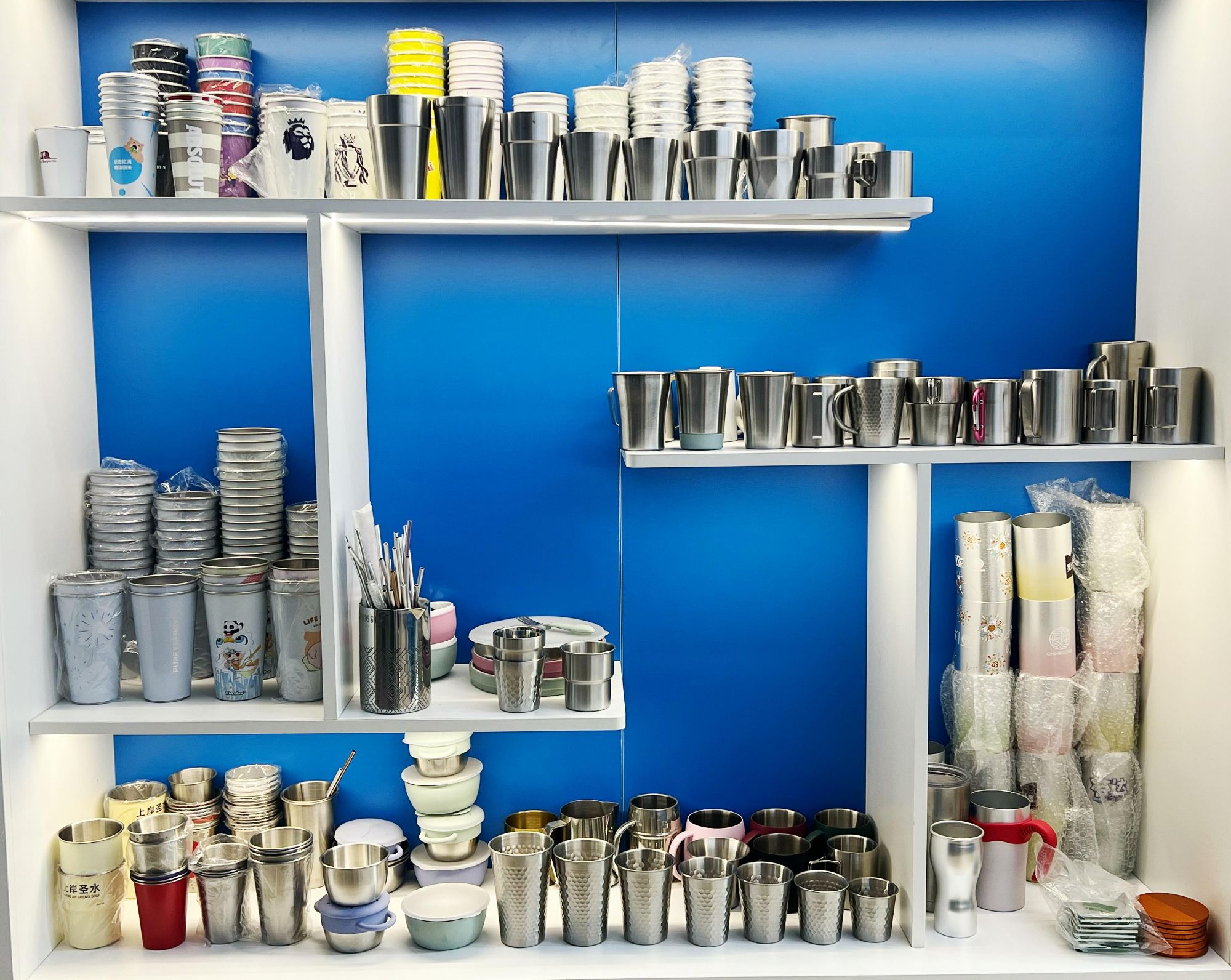
If you’ve ever sipped from a ceramic mug that felt just right in your hands or admired a glass cup with that flawless clarity, chances are it traveled from one of a few unassuming towns that quietly dominate the global cup trade. These aren’t just factories churning out containers—they’re clusters of generational expertise, where material suppliers, mold makers, and decorators huddle together in an almost symbiotic rhythm.
Northern China’s Liling district, for instance, has been shaping porcelain for over a thousand years, yet it still rarely gets mentioned outside industry circles. Walk through its backstreets and you’ll see kilns puffing smoke next to tiny studios where artisans hand-paint patterns that end up in Michelin-starred settings. Meanwhile, in Turkey’s ceramic heartland around Kütahya, the story isn’t about scale but about stubborn craft: families still pass down glaze recipes that big brands have tried and failed to replicate elsewhere.
Then there are the unsung hubs for modern materials. A modest cluster in southern China handles most of the world’s double‑wall glass vessels, while a stretch of central Japan perfects vacuum‑insulated steel models that keep their temperature for hours. The real deals flow through these places—not because they shout the loudest, but because decades of trial, error, and quiet improvement have made them the default address for anyone who cares about what a cup feels like in the cupboard and at the lip.
Price Isn’t Everything: Uncovering Hidden Costs That Eat Margins
Beyond the initial price tag, a series of less obvious expenses can quietly erode profitability. From expedited shipping when timelines slip to the premium charged for small-batch prototyping, these hidden costs accumulate disproportionately. They rarely appear in the headline quote but surface later as surcharges, custom packaging fees, or minimum order penalties that strain the budget.
Operational inefficiencies also breed unexpected drains. Tooling adjustments, extended setup times, and material waste from inconsistent quality can double the effective cost of a component. In many cases, the apparent savings from a low per-unit price vanish once rework, scrap rates, and frequent supplier hand-holding enter the equation.
A deeper look at total cost of ownership often reveals that the cheapest option isn’t the most economical. When shipping delays force air freight instead of sea, or when poor dimensional stability drives up assembly labor, the margins that looked healthy on paper quickly contract. Factoring in these silent margin killers before signing a contract is what separates resilient supply chains from perpetually stressed ones.
The Certification Maze: Quick Paths to Compliance Without the Headaches
Navigating industry certifications often feels like wading through a swamp of paperwork and confusing checklists. The trick is to zero in on what actually matters: pre-assembled documentation kits and modular training blocks that cut the fluff. Instead of starting from scratch, lean on tried-and-tested templates that authorities already recognize, and pair them with just enough hands-on practice to prove understanding without dragging out the timeline.
Another game-changer is skipping the isolated hero approach. Align with a mentor or consultant who’s already cleared the same hurdles—their real-world shortcuts are worth more than any generic guide. Meanwhile, rely on digital tools that track your progress in real time, flagging gaps before they become roadblocks. The goal is simple: check every box with minimal friction, so you can get back to the work that actually drives your business forward.
Design That Sells: Tapping into Trends Without Getting Burned
Jumping on a trend feels like catching a wave—exhilarating and full of promise. But if you paddle too late or misjudge the swell, you end up tumbling. The trick isn’t just spotting the next big thing; it’s knowing which ripples align with your brand’s core, so you ride the momentum instead of getting swept away.
Trends often seduce designers with their novelty, but the most memorable work distills a movement into its essence without parroting it. Ask: does this pattern or palette say something true about who we are? If it does, it feels intentional. If it doesn’t, it’s just decoration, and customers can smell that from a mile off.
There’s also a shelf life to every design wave. What’s fresh today can look dated before your product even ships. Build in adaptability—maybe through modular layouts or accent details that are easy to refresh—so you can evolve without a full overhaul. That way, you’re not married to a fading trend; you’re in conversation with it.
From Factory to Warehouse: Streamlining Logistics for Predictable Delivery
Getting goods from the factory to the warehouse sounds simple enough—load a truck, hit the road, unload. But anyone who’s managed a supply chain knows that the gap between theory and practice is filled with late pickups, customs snarls, and inventory pileups that throw off receiving schedules. True streamlining isn’t about imposing a one‑size‑fits‑all process; it’s about building flexible, transparent connections that absorb the chaos of real‑world freight without sacrificing delivery precision.
What makes a logistics flow predictable isn’t just tracking every pallet. It’s the quiet work of matching factory output cadences with realistic transit times, staging loads to avoid hub bottlenecks, and having a playbook ready when a lane suddenly closes. We lean on cross‑team coordination—production planners talking to carriers, warehouse leads sharing real‑time capacity—so that the constant small adjustments happen before a late shipment becomes a missed commitment. The payoff is a warehouse door that opens to exactly the right inventory, right on time, turning logistics from a daily firefight into a reliable drumbeat.
FAQ
China offers a mature manufacturing ecosystem with specialized clusters in places like Yongkang and Jieyang. These regions combine competitive pricing, high production capacity, and established supply chains for raw materials like 304 and 316 stainless steel. Buyers also benefit from a wide range of customization options and the ability to scale orders quickly.
Request detailed factory profiles, third-party audit reports (like SGS or TÜV), and certifications such as ISO 9001 or BSCI. Ask for video tours showing the production floor, testing equipment, and warehouse. Check references from past international clients and review their export history. A reliable supplier will openly share this information.
The most common are 201, 304, and 316. Grade 304 is the standard for food-grade cups due to its corrosion resistance and durability. Grade 316 adds molybdenum, offering better resistance to salt and acidic contents—ideal for marine or medical use. Avoid 201 for food contact as it can rust and may release harmful metals over time.
Specify quality standards upfront in your contract: leak-proof testing, smooth rim finish, and vacuum insulation performance (e.g., keeping liquids hot for 6+ hours). Ask for pre-shipment inspection samples and agree on defect tolerance. Use a third-party QC service to check welds, lid fit, and coating adhesion before shipment.
Avoid the trap of simply chasing the lowest price, which often means compromised materials or hidden costs. Understand the cost breakdown: raw material, labor, packaging, and logistics. Establish long-term relationships and consolidate orders to secure better terms. Don’t forget to factor in import duties and compliance testing into your total landed cost.
Move beyond basic logo printing. Explore unique shapes, double-wall vacuum with color gradients, laser etching, bamboo or silicone accents, and eco-friendly packaging. Collaborate with the factory’s design team early to align on mold costs and minimum order quantities. Emphasize sustainable materials like recycled stainless steel to appeal to eco-conscious consumers.
For the EU, ensure compliance with LFGB food contact standards and REACH regulations. For the US, look for FDA registration and California Proposition 65. In both markets, demand documentation for phthalates, BPA-free linings, and heavy metal limits. Proper certification not only clears customs but builds consumer trust.
Conclusion
Smart stainless steel cup sourcing from China demands a shift from price-focused buying to a holistic strategy that balances quality, location, hidden costs, compliance, design, and logistics. Top importers know that cracking the quality code means looking beyond surface finishes—they insist on material grade verification, precise welding, and vacuum insulation tests to avoid costly returns. Meanwhile, mapping the true cup-making capitals reveals that clusters like Yongkang and Jieyang offer distinct advantages: one excels in high-volume standard models, the other in intricate custom designs, so aligning your product specs with the right manufacturing hub is critical. Price is just the starting point; uncovering hidden costs such as mold fees, packaging upgrades, and inland transportation can erode margins if not negotiated upfront. The certification maze—from FDA to LFGB—becomes manageable when you partner with factories that hold pre-existing approvals and maintain in-house labs, slashing delay risks.
Design innovation sells, but tapping into trends like smart temperature displays or sustainable materials requires rigorous prototype testing to avoid getting burned by unproven tech. Finally, logistics mastery turns factory output into predictable delivery: using consolidation hubs in major ports and adopting VMI models can smooth out supply fluctuations. By weaving these elements into a unified sourcing playbook, global buyers not only mitigate risks but also build a resilient supply chain that transforms Chinese manufacturing partnerships into lasting competitive advantages.
Contact Us
Contact Person: Milo
Email: [email protected]
Tel/WhatsApp: +86 18621923991
Website: https://www.dgbaide.com