

Bulk Non-Woven Moving Blankets Offer Unmatched Furniture Protection During Any Move
2026-10-19
That moment when a dresser edge scrapes against the van wall is the moment most moving damage begins. Bulk non-woven moving blankets from Top Packaging are designed to stop it before it starts. Thick, reusable, and surprisingly affordable, they give every piece of furniture a buffer that bubble wrap simply can't match. Here's why movers and homeowners are switching.
What Makes Non-Woven Layers So Tough on Scratches
Unlike a tightly woven fabric that shows a smooth, even surface, non-woven layers are built from a chaotic mesh of fibers pressed and bonded together. That randomness works in their favor when something sharp drags across them. The edge meets countless tiny fiber ends and intersections instead of catching on a single thread or following a predictable weave pattern. Scratch energy spreads through the dense network instead of slicing a straight line.
The bonding process adds another layer of defense. Heat, resin, or needle punching locks the fibers into a three-dimensional mat, so the top layer can flex and shift slightly under pressure. This cushioning effect reduces the chance of a deep tear. With no grain to split open, the material shrugs off scuffs that would leave obvious marks on woven or coated surfaces.
The Bulk Advantage You Won't Find in Retail Packs
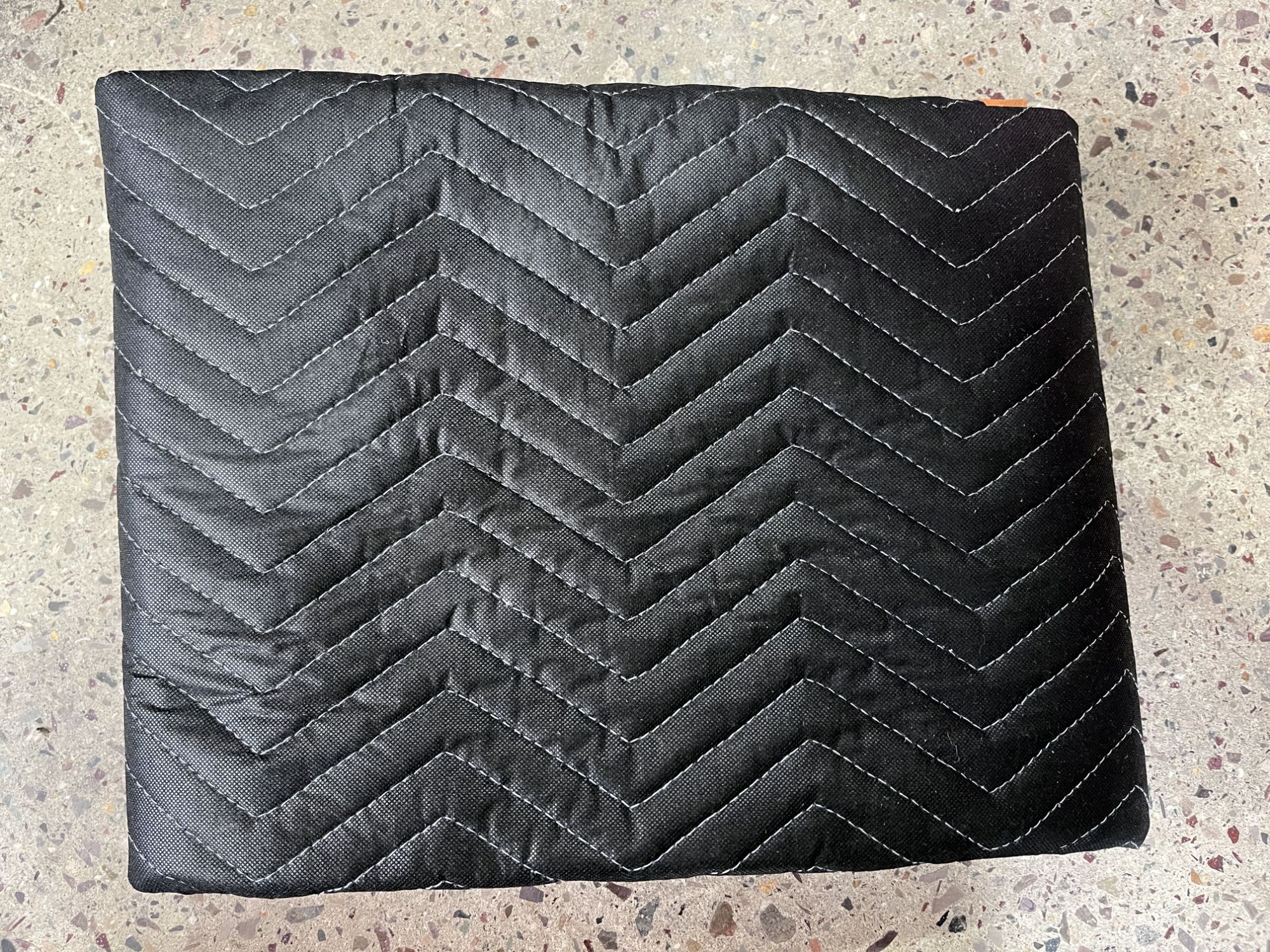
Most retail packs are designed for shelf appeal, not for serious use. The moment you tear open a standard bag, you're paying for air, foil lining, and a one-time zip seal that stops working after the third use. Bulk formats flip that equation: you get more actual material per dollar, fewer non-recyclable layers, and the freedom to portion exactly what you need without leftover packaging guilt.
There's a quieter advantage too—consistency. Retail runs often switch suppliers or tweak fill levels between batches, so the same product can feel slightly different from one purchase to the next. Bulk sourcing from a single lot means you're working with the same density, texture, and performance across weeks or months, which matters when you're mixing, refilling, or building something that demands repeatable results.
Storage becomes simpler, not harder. Instead of a dozen half-empty retail bags cluttering a drawer, one sealed bulk container keeps everything dry, visible, and ready. For workshops, studios, or busy households, that's a practical edge you don't get from prettier packaging—only from buying the quantity you actually use.
No More Taped-On Towels and Old Sheets
There's a particular kind of resignation that comes with taping a frayed bedsheet over a window. It works for a night or two, sure—but then the edges curl, the tape peels paint off the trim, and the room still feels like a half-finished craft project. People are done settling for that makeshift look. The shift isn't just about aesthetics; it's about treating your space with more respect than a dorm-room hack allows.
Modern alternatives don't require drills, landlord approval, or a big budget. Tension rods with blackout panels slide in without leaving a mark. Peel-and-stick cellular shades block light and insulate while peeling away cleanly when it's time to move on. Even a simple, properly hemmed curtain hung on a slim rod transforms a room from "temporary shelter" to "actual home." These options stay put, look intentional, and don't require a trip to the hardware store every time the humidity changes.
The real payoff is quieter than you'd expect. You stop noticing the window altogether—no more tugging at a fallen corner or apologizing to guests for the setup. The room feels calmer, more finished. And when sunlight filters through a shade that actually fits, it's a reminder that even small upgrades can make daily life feel less improvised.
Furniture Protection That Works From Loading Dock to Doorstep
Most damage doesn't happen on the truck. It happens in the shuffle—hand-offs at the dock, tight stairwells, elevator bumps, and that last awkward pivot through a doorway. The right protection moves with the piece, not just around it. Think dense woven blankets that don't slip, adhesive-backed foam corner guards that stay put on sharp veneers, and adjustable edge shields that take the hit instead of the finish.
What separates furniture that arrives flawless from furniture that arrives with a story is using protection built for the full journey. Wrap legs before they scrape against the liftgate. Secure drawers so they can't slide and dent a nearby panel. Layer high-wear points—arms, tops, base edges—with materials that absorb shock without leaving residue. When every hand-off is covered, the final unboxing feels less like a gamble and more like a guarantee.
At the doorstep, that last impression matters. Peeling back clean, professional-grade protection tells the customer their purchase was handled with care long before they opened the door. It's a quiet detail that builds trust and keeps returns from ever becoming part of the conversation.
Why Thicker Isn't Always Better (But This Is)
The phrase “thicker is better” gets tossed around in all sorts of contexts—steaks, mattresses, winter coats—but when it comes to materials that actually perform under stress, raw thickness often masks poor design. A slab of cheap foam can be twice as thick as a precision-engineered composite, yet buckle under the same load because its internal structure lacks the cross-linking or fiber orientation that distributes force efficiently. Thickness adds weight and bulk, but it doesn't automatically add strength or resilience. In fact, overbuilding with thickness can introduce new failure modes: thermal expansion mismatches, uneven curing, or simply more mass that absorbs energy in unpredictable ways.
What makes a material genuinely “better” isn't how much of it you pile on, but how cleverly it's arranged. Think of a bicycle frame made from butted titanium tubing—thinner in the middle, thicker only at the joints where stress concentrates. That targeted thickness, guided by finite element analysis and real-world fatigue testing, outperforms a uniform heavy pipe every time. The same logic applies to everything from acoustic damping panels to protective gear: a layered structure with carefully tuned density gradients can absorb more impact energy than a monolithic chunk, because each layer transitions the load rather than slamming it into a single boundary.
This is where the “but this is” exception comes alive. When someone says “thicker isn't always better, but this is,” they're usually pointing to a case where added thickness serves a specific, measurable purpose—not just vague reassurance. For example, a high-density graphite heat spreader in a laptop might be deliberately thickened in one zone to pull heat away from a hot spot, while the rest of the sheet stays thin to save weight. That kind of intentional, asymmetric thickening is the opposite of lazy overbuilding; it's a surgical response to a quantified problem. So the next time you see a product bragging about being “extra thick,” ask what problem that thickness actually solves. If the answer is “it just feels sturdier,” you're probably looking at marketing, not engineering.
The Reusability Factor That Saves You Money
Most products in this space force you into a cycle of buying replacement parts or disposable accessories every few months. That’s where the reusability factor flips the script. Instead of throwing money at consumables, you invest once in a core that can be refreshed, refilled, or repurposed with minimal effort. Over a year, those small savings compound quietly—no dramatic budget meetings, just less frequent checkout clicks and a drawer that isn’t full of half-used throwaways.
The real magic isn’t just the material reuse; it’s how the design anticipates wear and tear. Components that typically fail first are built to be swapped out in seconds, not sent back for repair. You’re not paying for shipping, downtime, or a technician’s labor. And because the reusable elements hold up under repeated stress, the per-use cost drops to a fraction of what you’d expect from a single-use alternative. It’s the kind of quiet efficiency that shows up on a bank statement three months later, and you can’t quite remember why you suddenly have extra room in your budget.
For anyone tired of the subscription-style treadmill, this shift matters. You’re not sacrificing convenience for savings—you’re gaining both, because the reusable core gets better with familiarity. The first month you learn its quirks; by the sixth month, you’re maximizing every cycle. That’s money staying put, not leaking out through replacements you never planned for.
FAQ
They're lighter and less bulky than traditional quilted pads, but the non-woven material still creates a soft buffer that stops scratches, dust, and light impacts. For most furniture pieces, that's exactly the level of protection you need without wrestling a heavy blanket around every corner.
Absolutely. They work well for appliances, boxes of fragile items, artwork, mirrors, and even as a temporary floor covering during a move. The fact that they're non-woven means they won't leave lint or fibers on your belongings.
If you're handling a full house move or run a moving service, you'll go through more blankets than you expect. Bulk pricing saves money per piece, and having a large stack ready means you're not constantly stopping to shake out or hunt down the last blanket.
Non-woven moving blankets can handle several moves if they aren't torn or heavily soiled. They're not as durable as stitched fabric pads over the long haul, but for light to medium use, many people get multiple trips out of each one. Once they start to fray, they still work as drop cloths or packing material.
They have enough grip to cling to wood, leather, and laminate without sliding off the moment you tilt a sofa or table. If you're wrapping something very smooth or curved, a bit of stretch wrap or tape around the outside keeps everything secure.
Thickness varies by product, but most bulk non-woven blankets are designed to balance padding with maneuverability. A mid-weight blanket absorbs bumps and prevents scratches, while a super-thick option can make items harder to carry and tie down. For typical furniture, the standard weight does the job.
Since they're reusable to some degree and recyclable in many areas, they don't have to end up in a landfill right away. Even after they're no longer fit for wrapping furniture, they can be repurposed for garage padding, pet bedding, or workshop rags.
It refers to the combination of cushioning, dust resistance, and ease of use. These blankets won't prevent every possible dent if furniture is dropped from a height, but they do an excellent job against the scrapes, chips, and grime that commonly happen during a move. For the price, especially in bulk, the protection level is hard to beat.
Conclusion
Moving day has a way of exposing every shortcut you thought would hold up. Bulk non-woven moving blankets change that equation because the dense fibers in each layer stop scratches and dents before they start, even when a dresser edge drags against a door frame. Buying them in bulk means you are not rationing three flimsy pads across a full truckload; you can wrap each piece separately without running out halfway. And unlike the old towel-and-tape routine, these blankets stay put and cover the whole surface, so there is no gap where a table leg can gouge a wall.
The protection holds from the moment a piece leaves the loading dock until it is carried through the final doorway. Thicker is not automatically better, but the non-woven construction here is dense enough to absorb impact without being so bulky that you cannot fold or carry it. After the move, you shake off the dust, stack them flat, and use the same blankets on the next job or keep them for storage. That reusability is where the cost difference disappears, because you stop buying single-use foam or renting pads every time.
Contact Us
Contact Person: Shelly
Email: [email protected]
Tel/WhatsApp: 86-577-64286522
Website: https://www.topmovingpad.com/